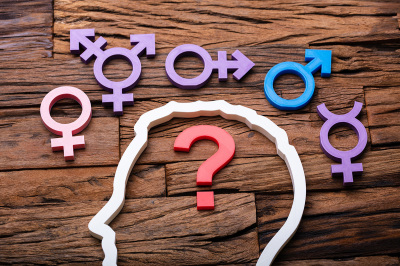
Stop Misleading Children About Gender: A Call for Truth
The Truth About Gender: A Necessary Conversation with Children
In a world that’s rapidly changing, where norms are constantly reshaped by evolving beliefs and practices, the discussion around gender identity has become incredibly prominent. As adults, we have a responsibility to nurture and guide the younger generation, yet we often tread a thin line between nurturing genuine expressions of identity and imparting a misled understanding of gender. So, let’s dive into this sensitive topic, not just to present facts, but to communicate openly and honestly about the realities of gender.
Understanding Gender: More Than Just a Word
When we talk about gender, it’s crucial to differentiate it from biological sex. Biological sex refers to the physical attributes—like reproductive organs and chromosomes—that determine whether someone is male or female. On the other hand, gender is a complex interplay of identity, culture, and personal expression. It can encompass a broad spectrum, including femininity, masculinity, and non-binary identities.
But here’s where it gets tricky. With the rise of social media and rapidly evolving societal norms, kids are often exposed to a whirlwind of information that can sometimes be misleading or inconsistent. It begs the question: are we doing enough to clarify these concepts for young minds?
The Influence of Media and Society
The media plays a powerful role in shaping our understanding of gender. From children’s cartoons to popular teen shows, narratives are often presented that prioritize fluidity and self-identification. While representation is essential and can be empowering, some content may inadvertently confuse children rather than enlighten them.
Let’s consider a scenario: imagine a young child watching a show where a character suddenly identifies as a different gender without any background or reasoning provided. This can confuse the child and leave them grappling with questions. Instead of fostering understanding, we risk presenting a reality where gender feels incredibly malleable and arbitrary.
Is it fair to put that weight on a child’s shoulders? Shouldn’t we aim to clarify instead of clouding their understanding?
The Importance of Honest Conversations
As adults—whether parents, educators, or caregivers—having open and honest conversations about gender is essential. Here are some points to consider when engaging with children about gender:
1. Educate before Imposing Ideas
Children are naturally curious. They ask questions, not just because they want answers, but because they are trying to make sense of the world around them. By providing them with factual and age-appropriate information, we empower them to form their own opinions rather than simply accept whatever narrative is available.
2. Create a Safe Space for Questions
Encouraging children to voice their thoughts and concerns without fear of judgment is vital. This safe space fosters trust, allowing for open discussions. When a child feels comfortable, they’re more likely to express confusion or curiosity about the complexities of gender and, subsequently, seek clarification.
3. Avoid Oversimplification or Overcomplication
Striking the right balance is crucial. While we shouldn’t oversimplify gender into just “male” or “female,” we also need to avoid overwhelming children with an avalanche of terms and concepts. Think of it like introducing someone to a new sport. You wouldn’t throw them directly into the expert leagues; you’d start with the basics first.
4. Encourage Critical Thinking
Instead of merely presenting facts, encourage children to think critically about what they hear and see and prompt them to ask more questions. This approach not only helps them navigate the topic of gender but also develops skills that will assist them in various aspects of life.
5. Lead by Example
Children often learn through observation. If we embrace diverse perspectives while expressing our values openly, children are likely to mirror that acceptance. It’s about modeling the behavior we want to nurture in the next generation.
The Push for Clarity in Education
Curriculum decisions play a significant role in how gender is discussed and understood. Schools, in many places, are incorporating lessons about gender identity and expression. While education surrounding these topics is vital, the execution often varies significantly.
The Case for Being Thoughtful in Education
While teaching about gender fluidity is essential, presenting it solely as an ideology can obscure clear facts about biological differences and societal roles that exist alongside them. Children deserve to understand these distinctions so that they do not grow up confused, believing they are simply part of a societal experiment.
Imagine a science class where we only discussed physics without mentioning gravity. Frightening, right? In many ways, failing to discuss the biological aspects of gender can leave children feeling similarly adrift.
Balancing Awareness with Reality
It’s heartwarming to see a world making strides toward inclusivity and acceptance. However, it’s equally imperative to ensure children are not misled. Instead of offering an all-or-nothing perspective, let’s present every side like we would when talking about anything complex. Engaging with both sides helps them develop a comprehensive understanding.
Finding Your Stance
As someone navigating the complex world of gender discussions, know that it’s okay to have questions and uncertainties. The world is ever-changing, and we should embrace that uncertainty. Encourage dialogue among peers, communities, and families. By doing so, we can build foundational knowledge that enables the upcoming generation to process this fluid landscape thoughtfully.
Embracing Truth and Nuance
So, what’s the takeaway here? We need to strike a balance between promoting understanding, ensuring clarity, and fostering open conversations about gender. The more we engage with these topics honestly, the better equipped children will be to approach their identities—and those of others—with respect and understanding.
Instead of misleading or overpowering, let’s offer the complexity of gender as a rich palette of colors, each vibrant hue representing different perspectives and experiences.
Conclusion
Navigating the conversation around gender with children is no small feat. But with a commitment to clarity, honesty, and nurturing critical thought, we can guide them towards a deeper understanding without misleading them. It’s not about imposing beliefs; it’s about equipping them with the information they need to grow, learn, and respect diverse identities.
Let’s be responsible for our roles as educators, reflecting on how we can create a world where children understand gender without confusion.
FAQs
1. Why is it important to discuss gender with children?
Discussing gender with children helps them understand themselves and others better, fostering empathy and respect for diverse identities and experiences.
2. What age is appropriate to start conversations about gender?
Begin discussions about gender at a young age. As soon as they express curiosity about their bodies or relationships, you can start framing these conversations based on their understanding.
3. How can I answer children’s questions about gender?
Provide age-appropriate, factual, and clear information. Encourage their curiosity and engage in open discussions without making them feel judged.
4. What should I avoid when talking to kids about gender?
Avoid oversimplifying or overcomplicating the topic. It’s essential to strike a balance between factual information and open-ended dialogue.
5. How can schools approach gender education thoughtfully?
Schools should provide a well-rounded curriculum that includes discussions about biological differences, societal roles, and diverse gender identities to equip students with a comprehensive understanding of the topic.