Sadiq Khan Condemns Racism After Trump’s Election Victory
Sadiq Khan’s Bold Stand Against Racism Post-Trump’s Victory
The world watched in awe and disbelief as Donald Trump clinched the presidency in 2016. Throughout his campaign, sentiments of nationalism and divisive rhetoric heightened, leaving many wondering what the future would hold for multiculturalism, inclusion, and tolerance. One prominent voice that arose against the tide of hate was London’s mayor, Sadiq Khan. Fast forward to now, and Khan’s condemnation of racism and prejudice still rings relevant. Let’s explore his responses, the societal implications of Trump’s election, and the ongoing battle against racism and discrimination.
Sadiq Khan: A Beacon of Hope
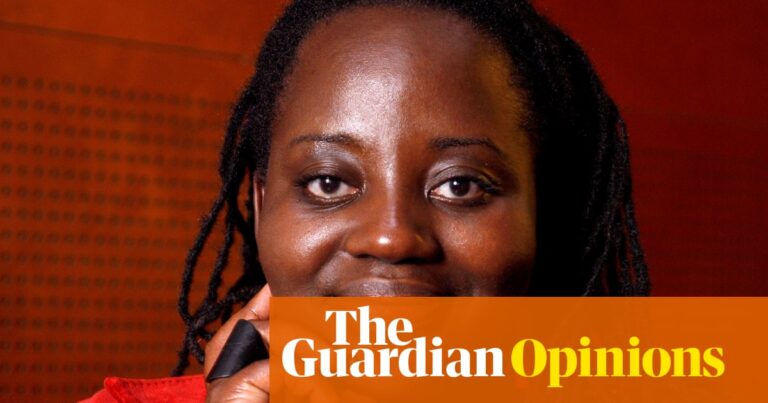
Sadiq Khan, London’s first Muslim mayor, embodies the essence of resilience and diversity in a city known for its melting pot of cultures. After Trump’s stunning election in 2016, Khan wasted no time making his stance crystal clear. He expressed his concerns about the surge of racism and xenophobia that seemed emboldened by Trump’s populist approach.
“I want to be very clear,” Khan stated. He articulated the fears shared by many after Trump’s victory – that racism and hatred were getting a free pass, coasting on the back of political discourse that prioritized division over unity.
Why It Matters
So, why should we care about Sadiq Khan’s response to Trump’s election? Well, the implications are vast. In a time when division can feel insurmountable, leaders like Khan remind us why unity is essential. His unwavering support for inclusivity counters the narrative that some groups are more deserving of rights than others. It’s crucial because it sets a standard for all form of leadership—be it political, social, or personal.
The Ripple Effect of Trump’s Victory
When Donald Trump won the presidential race, a wave of implications rippled across the globe. His rhetoric and policies often vilified minorities, immigrants, and marginalized communities, causing alarm in many nations. Khan’s condemnation isn’t merely a reaction; it’s a call to action.
Societal Shifts Post-Victory
Think about it this way—when a powerful leader communicates intolerance, that attitude can trickle down. Some may begin to see hate speech, discrimination, and xenophobia as acceptable behaviors. Khan recognized that this trend needed urgent addressing. He emphasized the importance of standing up against these rising tides of negativity by fostering an environment that nurtures acceptance and equality.
- The increase in hate crimes: Statistics from various organizations showed a significant uptick in hate-related incidents in the U.S. and abroad post-election.
- The rise of hate groups: Groups that had previously been relegated to the fringes of society began to find a voice—a loud voice. They felt emboldened and, in some cases, legitimized by what they saw coming from the Oval Office.
These factors only served to underline Khan’s urgent warning. The language of hate should never sit comfortably on the tongues of leaders or citizens alike.
Khan’s Tenacious Response
Amid this backdrop, Khan stepped up, urging for a united front against racism. His platform focused on tolerance, acceptance, and the protection of human rights.
The Power of Diverse Voices
Khan understood that to combat racism, it takes a community effort. It’s not just about his words but about lifting the voices of those who often go unheard:
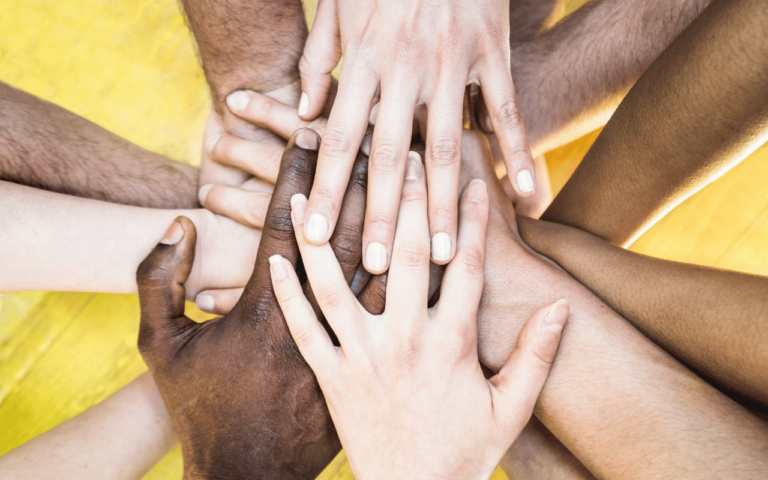
- Communities coming together: Past grievances and differences can be set aside to promote healing and understanding.
- Involving youth: Khan encouraged the youth to engage in conversations about race, discrimination, and inclusivity, highlighting the significance of education and awareness in youth culture.
- Creating safe spaces: By fostering environments where people can openly discuss issues of race, Khan aimed to break down the barriers that often prevent dialogue from happening.
Khan’s focus on proactive measures rather than reactive responses could serve as a guiding strategy for many leaders globally.
The Broader Global Response
While Khan became a leading voice in the UK, his sentiments mirrored those of leaders worldwide.
The United Nations and Global Leaders
As countries grappled with their internal struggles relating to race and identity, global leaders began to speak up. The United Nations, particularly, emphasized the importance of combating racism and discrimination as universally shared human rights.
Grassroots Movements
On the ground, grassroots movements sprung up like wildflowers after rain, with activists pushing back against hate. Diverse coalitions coalesced, bringing together people from different backgrounds, skill sets, and resources. It was clear that if there was ever a time to rise up for inclusivity, now was it.
- Community organizations: Various NGOs began campaigns amplifying marginalized voices and advocating for policy changes at local and national levels.
- Online platforms: Social media emerged as a battleground for activist engagement. Hashtags like #BlackLivesMatter and #MeToo spread like wildfire, and they encouraged the fight against systemic racism and inequality on a broader scale.
Moving Forward: A Call to Action
As we dig deeper into these issues, it’s essential to recognize that the fight against racism doesn’t solely rest on political shoulders. While leaders like Sadiq Khan provide powerful perspectives, real change is driven by everyday actions.
What You Can Do
So, how can you contribute to this fight? Here’s a simple checklist:
- Educate yourself: Knowledge is power. Take time to learn about systemic racism and its roots.
- Speak up: If you witness incidents of racism, don’t stay silent. Encourage others to do the same.
- Support diversity: Whether that means educating yourself, listening to diverse voices in media, or supporting local businesses owned by minorities, small actions can have a big impact.
By fostering a culture of awareness, empathy, and action, we can all contribute to creating a more inclusive world.
Conclusion
Sadiq Khan’s condemnation of racism in the wake of Trump’s election victory was more than just a reactionary statement; it was a clarion call to acknowledge and address the ugly side of human behavior that can emerge in politically charged environments. As Khan articulated, it’s a reminder—the fight against discrimination is ongoing, requiring persistent efforts from individuals and leaders alike.
Engaging in conversations, supporting one another, and making conscious efforts to bridge the divides can create a foundation for a more accepting society. Remember, it’s not just the voices of leaders that matter; it’s the collective strength of the community that will ultimately drive progress.
Frequently Asked Questions (FAQs)
Q1: What did Sadiq Khan say after Trump’s election victory?
A1: Sadiq Khan condemned the racism and xenophobia that arose following Trump’s election, emphasizing the need for unity and acceptance.
Q2: How have hate crimes changed since Trump’s presidency?
A2: Statistics indicated a significant increase in hate crimes and discriminatory acts during and after Trump’s administration, as certain groups felt more emboldened.
Q3: Why is Khan’s response considered significant?
A3: Khan’s response is significant because it highlights the importance of inclusive leadership and serves as a counter-narrative to racism and division.
Q4: What can individuals do to combat racism?
A4: Individuals can educate themselves, speak up against discriminatory behavior, and support diverse voices and communities.
Q5: How did grassroots movements emerge post-election?
A5: Grassroots movements became more visible as communities organized to advocate for inclusion and fight against systemic racism, often using social media as a platform for their messages.