Rising Racism Against Indians in Canada: An In-Depth Analysis
Unpacking the Rising Racism Against Indians in Canada
Racism is a multi-faceted societal issue that has plagued nations across the globe. While Canada has long been regarded as a land of opportunity, marked by its multicultural fabric, recent events have painted a different picture for the Indian community living there. In this article, we’ll take a deep dive into the rising racism against Indians in Canada, explore the underlying factors, and discuss what can be done to address this concerning trend.
Understanding the Context: A Land of Immigrants
Canada has built its identity on the backs of immigrants from all corners of the world. Indians make up a significant portion of this immigrant population. They contribute immensely to various sectors, including technology, healthcare, and education. Despite these contributions, there has been a surge in anti-Indian sentiment that begs the question: Why is this happening in a country celebrated for its diversity?
Statistics That Speak Volumes
To understand the gravity of the situation, it’s essential to look at statistics. Reports indicate a troubling increase in hate crimes targeting Indians in Canada. For instance, between 2020 and 2021, incidents of hate crimes against South Asians rose significantly, triggering alarm bells within both the Indian community and local law enforcement.
Why Are These Numbers Increasing?
You might be wondering: What fuels this rise in racism? Here are a few key factors:
- Socioeconomic Factors: The pandemic exacerbated financial strains for many households across Canada. In tough times, minority communities often become scapegoats.
- Political Climate: Heightened political rhetoric can fan the flames of division. Certain political figures have leveraged stereotypes and misinformation about immigrant communities, which leads to an increase in xenophobia.
- Cultural Misunderstandings: Many Canadians may not understand Indian customs, traditions, or ways of life, leading to stereotyping and discrimination.
The Impact of Social Media
Ah, the double-edged sword that is social media! While it enables connection and community, it can also serve as a breeding ground for hatred. Online platforms often amplify harmful narratives or unfounded fears regarding the Indian diaspora.
The Role of Misinformation
Misinformation spreads like wildfire, and negative portrayals of Indians can quickly gain traction. This can foster an environment ripe for discrimination, where individuals are judged based on outdated stereotypes rather than their merit or personal experiences.
Personal Narratives: Voices from the Community
Nothing drives the point home quite like personal stories. Many individuals have shared their experiences with racism in Canada. From verbal assaults on the streets to struggles in workplaces, these narratives highlight the everyday challenges faced by Indians living in Canada.
One young woman recounted her experience in a grocery store where she was subjected to derogatory remarks solely based on her appearance. Such incidents have become far too common, creating an unsettling atmosphere for what should be a welcoming community.
Resilience in the Face of Adversity
While the situation is grim, it’s crucial to highlight the resilience of the Indian community in Canada. Various organizations have sprung up to combat racism, foster dialogue, and generate awareness about the contributions of Indians to Canadian society.
Community Initiatives
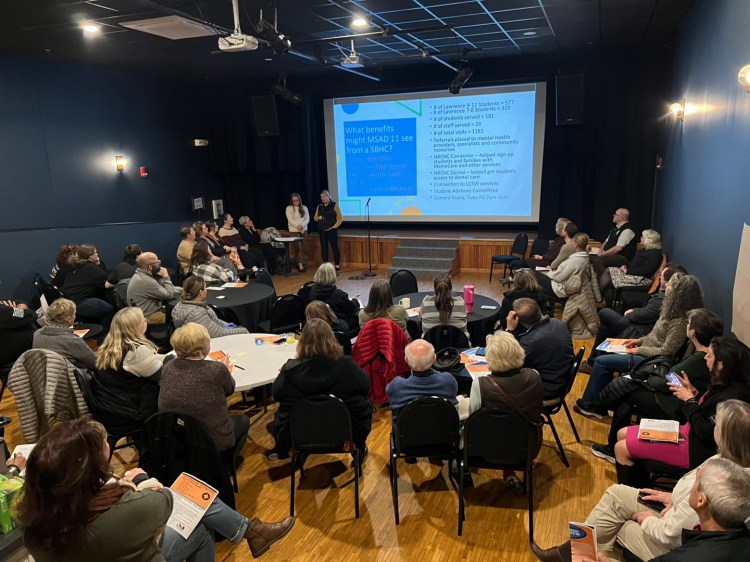
- Workshops and Seminars: Many community groups hold workshops aimed at educating both Indians and non-Indians about cultural differences. This promotes understanding and combats ignorance.
- Support Networks: The formation of support groups has provided a safe space for individuals to share their experiences and find solace in shared struggles.
- Cultural Festivals: Celebrating Indian festivals publicly not only boosts community morale but also offers non-Indians a glimpse into Indian culture.
These initiatives serve as a beacon of hope, reminding us that although the road ahead may be fraught with challenges, unity and understanding can pave the way for positive change.
Governmental Response: What’s Being Done?
Interestingly, the Canadian government has initiated various programs aimed at tackling racism and promoting inclusivity. However, many believe these measures can be strengthened. Here’s what some experts propose:
- Enhanced Reporting Mechanisms: Easy-to-use platforms for reporting hate crimes can encourage victims to come forward.
- Increased Funding for Community Programs: More financial resources could help community organizations expand their outreach and educational efforts.
- Policy Revisions: Re-evaluating immigration and integration policies can unearth systemic biases and foster a more welcoming environment.
The Role of Education
Education is a powerful tool in dismantling myths and fostering understanding. Incorporating lessons about diversity and inclusion into school curriculums can play a crucial role in shaping a more tolerant generation.
Teaching the Next Generation
Imagine a classroom where children learn about the various cultures that make up their country. This not only cultivates empathy but also equips the youth with the tools to challenge prejudice and discrimination when they encounter it.
What Can You Do?
Feeling fired up to make a change? Here are some practical steps individuals can take:
- Educate Yourself: Take the time to learn about Indian culture, history, and contributions to Canadian society.
- Speak Up: If you witness acts of racism, don’t stay silent. Use your voice to challenge prejudiced comments and behaviors.
- Support Local Indian Businesses: Lifting up these businesses can empower the community and encourage economic stability.
Conclusion
The rise of racism against Indians in Canada is a reminder that while the road to a truly inclusive society is long and winding, it’s a journey worth undertaking. By acknowledging these issues, fostering understanding, and actively combating ignorance, we can work together to create a society where everyone, regardless of their background, feels valued and respected.
FAQs
1. What are some common stereotypes about Indians in Canada?
Common stereotypes include assumptions about Indian cooking, dressing, or work ethics, often leading to oversimplifications that fuel discrimination.
2. How can individuals combat racism in their communities?
Engaging in open conversations, educating oneself and others about different cultures, and standing against racist remarks are all effective strategies.
3. What role do community organizations play in fighting racism?
Community organizations promote awareness, provide support, and hold events that celebrate cultural diversity, ultimately striving to foster inclusivity.
4. Are there legal protections against hate crimes in Canada?
Yes, Canada has laws against hate crimes, and various organizations work tirelessly to provide support and advocacy for victims.
5. How can we foster dialogue between different cultural communities?
Encouraging open forums, workshops, and multicultural events can create environments conducive to conversation and understanding.