Racist Texts Target Austin Students in Disturbing Incident
Disturbing Racist Texts Sent to Austin Students
Racism—a word that seems too common in today’s society. While we scroll through various news feeds, it’s heartbreaking to note how often we are faced with stories highlighting its ugly face. One recent incident in Austin has once again brought this issue to the forefront, sending shockwaves through the local community. In this article, we’ll delve deep into the disturbing racist texts targeted at students in Austin, explore the broader implications, and foster a dialogue about how we can stand against such hate.
What Happened?
Imagine going about your day as a student, immersed in your classes and social activities, when suddenly you receive a message that leaves you reeling. This was the grim reality for several students in Austin, Texas, who received a barrage of threatening, racist messages. These weren’t just disheartening; they were overtly menacing, reminding recipients of a dark past that many hoped was left behind.
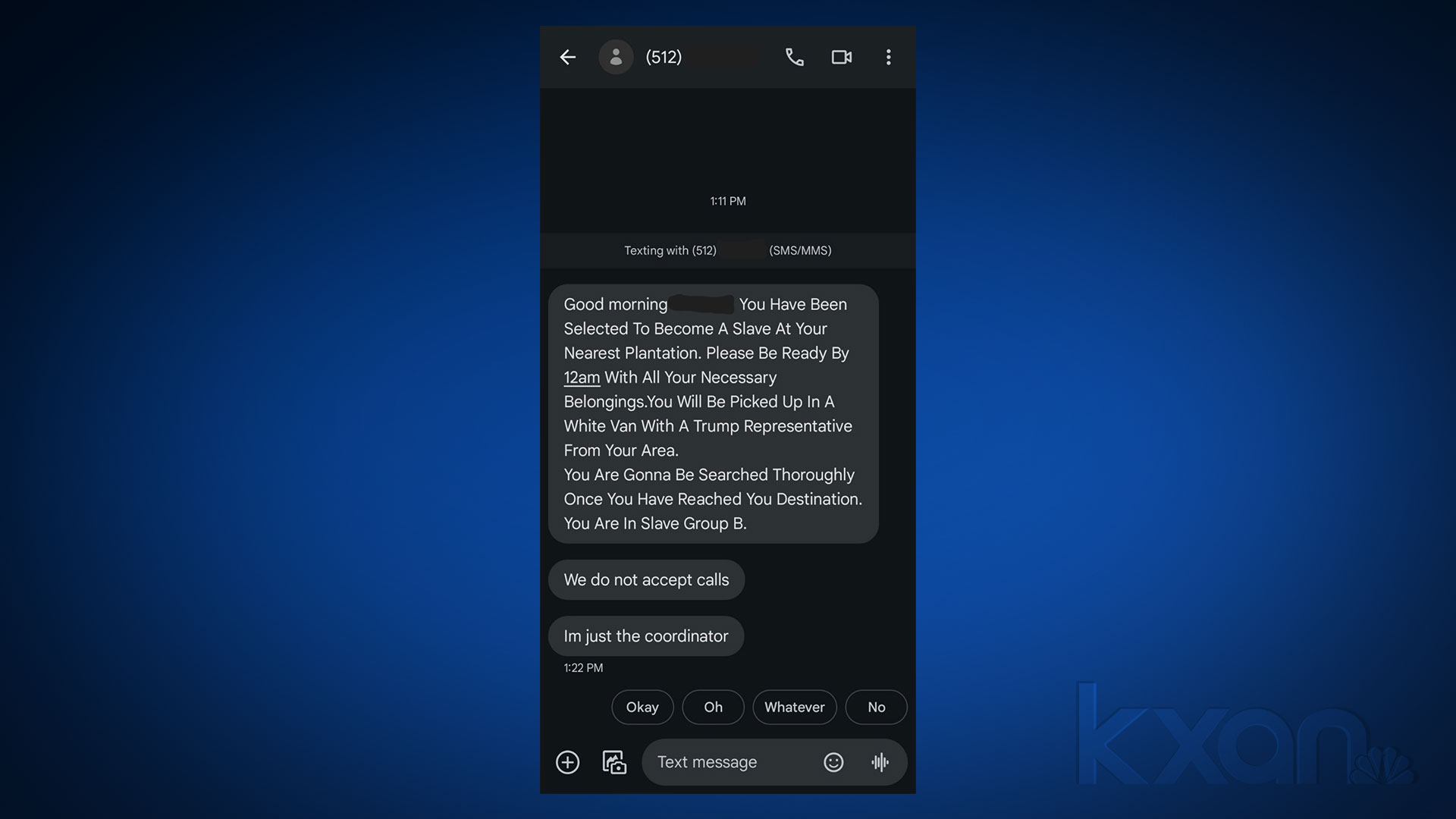
The texts reportedly included phrases like “You are in slave group B,” designed to incite fear and perpetuate hate. Not just a momentary annoyance, these messages were devastating, impacting students’ mental health, sense of safety, and their overall educational experience. It’s alarming how technology can be wielded like a weapon, using anonymity to embolden individuals to express their prejudice.
The Impact on the Community
Fear and Anxiety
The direct consequence of such incidents is the wave of fear and anxiety that washes over the targeted individuals. Students should feel secure in their learning environments, but when such messages infiltrate their lives, that security is shattered.
-
Psychological Toll: The emotional distress caused by such harassment can lead to anxiety, depression, and a feeling of isolation.
-
Educational Disruption: Concentration in classes diminishes, and motivation wanes as students worry about their safety on campus.
Community Response
The Austin community did not sit idly by. Parents, educators, and local leaders swiftly condemned the incident, emphasizing that such behavior has no place in their city.
-
Calls for Action: Many community leaders have called for stricter measures to address bullying and harassment in schools.
-
Support Systems: Resources have been mobilized to help students cope with the emotional fallout. Schools and organizations have implemented support programs, offering counseling and safe spaces for students to express their feelings.
How Does This Happen?
Understanding how we reached this point requires examining the structures that allow these incidents to occur. Ever wonder why the internet has both the power to connect and to harm? The very anonymity that fuels creativity in online spaces also fosters hate.
Anonymity Equals Insecurity
While platforms may aim to foster free communication, the lack of accountability often leads individuals to express thoughts they otherwise wouldn’t share face-to-face.
-
Cyberbullying: Individuals hiding behind screens may feel empowered to bully, intimidate, or harass others without repercussion.
-
Cultural Conditioning: Societal norms can reinforce prejudiced views, creating an environment where hate flourishes rather than diminishes.
Educational Gaps
In many cases, schools may not adequately address the roots of racism and discrimination. While some educational institutions engage in meaningful dialogues about diversity, equity, and inclusion, others fall short.
-
Curriculum Limitations: A lack of comprehensive education about race and history might leave students unaware of the implications of their beliefs and actions.
-
Superficial Training: Teachers and administrators might receive training that scratches the surface but fails to address deeper issues.
Steps Forward: Combating Hate in Schools
It’s clear that the essential question now is: what can we do to combat these hate-filled messages and foster a more inclusive atmosphere?
Education and Awareness
Knowledge is power! Implementing comprehensive education on racism, privilege, and empathy is crucial.
-
Curriculum Development: Schools should develop curricula that engage students in critical discussions about race and diversity.
-
Workshops and Seminars: Invite speakers from various backgrounds to share their experiences and insights, creating understanding among students.
Open Communication
Create a culture where students feel comfortable voicing their concerns without fear of backlash.
-
Safe Spaces: Establish safe spaces for students to discuss incidents of racism and their feelings.
-
Peer Support Programs: Encourage students to build networks that promote understanding, acceptance, and dialogue.
Community Engagement
Collaboration is key! The community plays a significant role in fostering an environment of accountability.
-
Parent Involvement: Parents should engage in conversations with their children about racism and inclusivity from an early age.
-
Community Events: Organize events that celebrate diversity and encourage dialogue among different cultural groups.
Conclusion
The incident of racist texts targeting Austin students is not just another news story; it’s a painful reminder of the reality that many people face today. However, it also serves as a call to action for all of us. By actively confronting prejudice and fostering understanding, we can work together to build a more inclusive society.
Remember, change doesn’t happen overnight, but every small step counts. So, let’s educate ourselves, communicate openly, and support one another in creating environments where everyone feels valued and safe. The fight against racism starts with us, right here, right now.
FAQs
-
What can students do if they receive hate messages?
- Report the incident to a trusted adult, teacher, or school administrator. Document the messages and seek emotional support from friends or professionals.
-
How can schools address racism effectively?
- Schools should implement comprehensive education about race, establish clear policies against bullying, and create safe spaces for discussions.
-
What role can parents play in combating racism?
- Parents can engage in open discussions about race, educate themselves about diverse cultures, and foster an environment of acceptance at home.
-
Why is anonymity a problem in online communication?
- Anonymity can embolden individuals to express hateful or harmful views without fear of repercussions, leading to bullying and harassment.
-
How can communities support affected students?
- Communities can offer resources such as counseling, organize community events that promote inclusivity, and encourage dialogue between diverse groups.