Penn State York Investigates Racist Comments by Board Member
Penn State York’s Racism Controversy: Board Member Under Investigation
The world we live in is constantly evolving, and with that evolution comes a heightened awareness of racial issues. In recent months, Penn State York has found itself at the center of a firestorm after a board member made offensive racist comments, triggering an investigation that has sparked outrage and discussions about accountability. Let’s dive deep into this situation to unpack the implications, reactions, and potential outcomes.
The Incident That Sparked Outcry
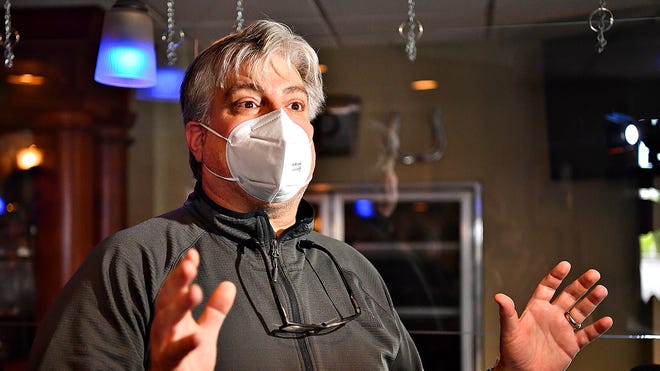
It all began with a social media post that caught the eyes of students, faculty, and community members alike. A board member, identified as a local restaurateur, openly admitted to his “racist” beliefs in a public forum. Can you imagine that? A member of an educational institution expressing such blatant views in this age of awareness! The post immediately went viral, stirring intense debate and leaving many to wonder how this could happen in a community that professes to value diversity and inclusion.
Reactions from the Community
The backlash was swift. Students in particular were vocal about their discontent, organizing protests and demanding action from the university. After all, these students are part of a diverse environment; they expect their leaders to uphold values of equality and respect. Their anger wasn’t just about the comments themselves, but also the implicit message it sent: that such views could be tolerated in positions of power.
In a statement, the university expressed its disappointment, emphasizing that the comments do not reflect its values or the principles it stands for. But here’s the kicker: how often do we hear institutions say this only to do little to ensure repercussions follow? Franklin Delano Roosevelt once said, “The only thing we have to fear is fear itself.” In this instance, what’s truly frightening is the fearlessness with which such attitudes can emerge in public discourse.
The Investigation Process
So, what happens now? The university has launched a formal investigation, which is a step in the right direction. However, some community members feel that simply launching an investigation isn’t enough. Here’s the reality: investigations can take time, and during that waiting period, anger and frustration tend to boil over. The board member in question has been placed on leave, but many wonder if this is merely a temporary measure or if it will lead to more significant consequences.
The investigation aims to scrutinize the comments and assess their impact on the university community. This raises important questions: What does accountability look like in this context? How can institutions develop more proactive measures to prevent such incidents in the first place? Scholars in social justice often argue that reflection and community involvement are crucial for lasting change. But how does a school create an environment where students feel safe voicing their concerns? That’s the million-dollar question.
Broader Implications: A Call to Action
Now, let’s zoom out for a moment. This incident has catapulted Penn State York into a national conversation about race, representation, and accountability in educational institutions. The media coverage may fade, but the implications linger like a bad taste in your mouth.
Addressing Systematic Issues
Racial comments from individuals in power highlight systemic issues within institutions. It prompts us to question existing policies regarding board member conduct and community representation. There’s no denying that a conversation about race in America feels both daunting and necessary. By addressing these problems head-on, universities can take concrete steps towards establishing a climate of respect and healing.
In light of this incident, it might be worth exploring ways in which educational institutions can foster a culture of inclusivity, trust, and accountability. Here are a few ideas:
- Implement Anti-Racism Training: Providing training sessions for board members, faculty, and even students could pave the way for open discussions about race and inclusivity.
- Establish Clear Conduct Policies: Transparency about expected behavior and the consequences for misconduct can help set and communicate standards.
- Engage the Community: Allowing students to have a voice in governance and policies can bridge the gap between leadership and the student body.
The Role of Leadership
Leaders within educational institutions must recognize they are not just power brokers; they are role models. When one of them steps out of line, they not only tarnish their own reputation but also that of the institution they represent. Leaders at Penn State York—and indeed at institutions everywhere—must actively participate in dismantling racist attitudes. If they turn a blind eye or react passively to incidents like this, they lose credibility and risk becoming complicit in their perpetuation.
Looking Ahead: A Path Forward
As the investigation unfolds, it’s essential for the university to communicate transparently with its community. Keeping the lines of communication open can help ease tensions and demonstrate that the administration doesn’t shy away from addressing uncomfortable truths.
Encouraging Dialogue
The fallout from this event offers an important opportunity for dialogue surrounding race relations. The administration can host forums or discussions to provide a platform for students and community members to share their thoughts and experiences. Creating a dialogue that fosters understanding and empathy can turn a troubling incident into a transformative experience.
Furthermore, the administration should take the time to reflect on its curriculum and policies. Are they truly welcoming to all students? Are they fostering a culture of justice and equity? Checking in on current policies with a fresh perspective can be an eye-opening exercise.
Conclusion
The investigation into the racist comments made by a Penn State York board member has opened a floodgate of conversations about race, accountability, and the role of leadership in educational institutions. It’s a harsh reminder that we still have a long way to go in creating truly inclusive environments.
The path ahead is undeniably challenging, but it also presents an opportunity for growth and improvement. By taking a stand against racism and prioritizing open dialogue, Penn State York can lay the groundwork for a more inclusive future. After all, we all know that education should be a safe space for everyone, regardless of their background.
FAQs
1. What sparked the investigation involving the Penn State York board member?
The investigation was initiated following the board member’s admission of racist beliefs in a public forum, leading to widespread outrage.
2. What actions has Penn State York taken in response to the incident?
The university has launched a formal investigation and placed the board member on leave while they assess the impact of the comments.
3. How can educational institutions foster a more inclusive environment?
Institutions can implement anti-racism training, establish clear conduct policies, and engage the community to promote inclusivity and dialogue.
4. What role does leadership play in confronting racist attitudes?
Leaders must act as role models and take accountability for their actions. They should actively participate in dismantling racist attitudes and ensuring inclusive practices.
5. Why is open dialogue important in addressing racial issues?
Open dialogue allows for the sharing of experiences and viewpoints, promoting understanding and empathy, which can lead to meaningful change within the community.