Michigan High School Students Targeted with Racist Texts
Racist Texts Target Michigan High School Students
In our ever-connected world, the power of technology can amplify both positivity and negativity. This was painfully illustrated when a group of school students in Michigan found themselves on the receiving end of shocking and hateful racist texts. What transpired serves as a stark reminder of the challenges that young people face in communities that sometimes still grapple with the ghosts of prejudice and discrimination. Let’s dive into the specifics surrounding this incident and explore its implications on the students, the school, and the community at large.
The Incident: A Closer Look
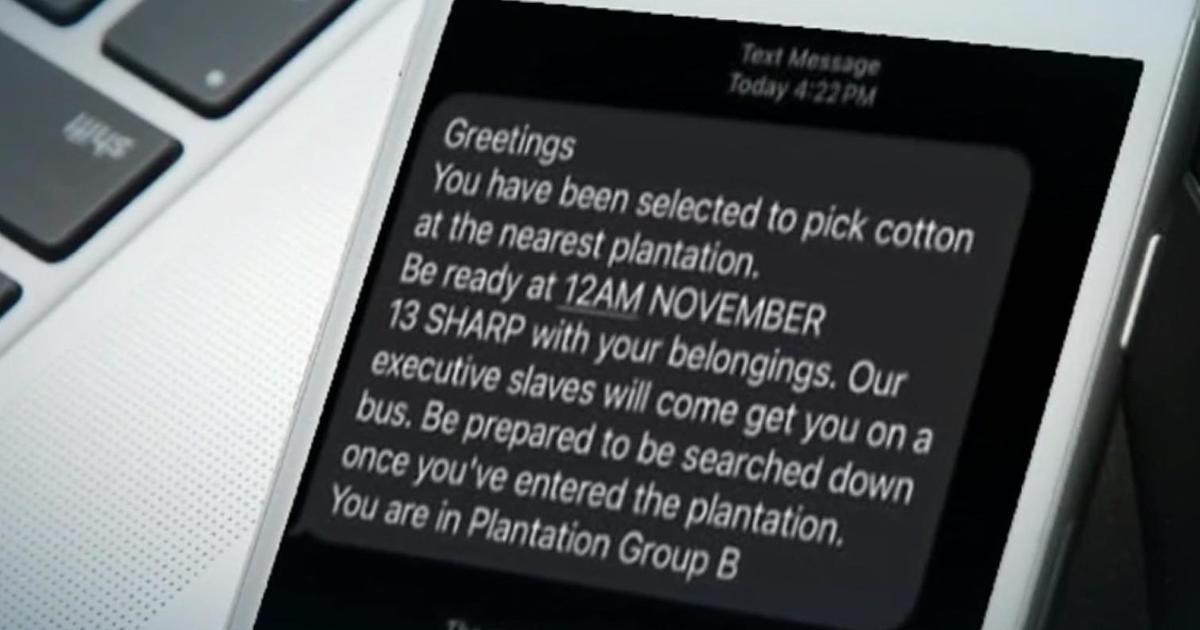
Imagine being a teenager, grappling with the routine ups and downs of high school life. You’re navigating friendships, coursework, and maybe even your first crushes when out of the blue, your phone buzzes. You look at the screen, and what you see stops your heart. It’s a message filled with hateful slurs and racism. Unfortunately, this was not a fictional scenario but a harsh reality that several Michigan high school students experienced recently.
Several students reported receiving these vile texts in a disturbing wave of racial harassment. This wasn’t just a one-off incident; the messages showcased deep-rooted prejudices and a collective willingness to propagate hate. When such venom is unleashed upon young minds, it creates ripples that extend beyond individual pain—it affects friendships, self-esteem, and even the educational environment.
The Aftermath: Impact on Students
Receiving such texts has profound psychological impacts, particularly on adolescents, who are still forming their identities and values. High school students are at a critical stage in their emotional development, and experiences like these can lead to:
- Increased Anxiety: Constantly worrying about being targeted can lead to heightened anxiety levels.
- Distrust in Peers: Being victimized or feeling unsafe can foster a distrust of classmates, creating divisions within the community.
- Impact on Academics: When students are preoccupied with feelings of fear or anxiety, it can hinder their focus and performance in school.
- Feelings of Isolation: Victims might retreat from social interactions, leading to loneliness and a sense of being undervalued.
These manifestations of emotional distress emphasize the need for immediate and effective intervention.
The School’s Response: Addressing the Issue Head-On
In the wake of this distressing event, the school officials had to step up and respond to the situation. Their first reaction was crucial in determining how effectively this incident could be managed. Schools play an instrumental role in fostering a culture of inclusivity and respect—it’s not just about academics, but also about shaping young people’s views and values.
What did the school do in response?
- **Issuing Statements**: School authorities quickly condemned the behavior, stating unequivocally that such actions would not be tolerated.
- **Engaging the Community**: They reached out to students, parents, and community members to discuss the growing concern of racism and how it affects their environment.
- **Educative Workshops**: To prevent such incidents in the future, schools began organizing workshops focused on diversity and inclusion.
- **Support Systems**: Providing counseling and support for affected students became a priority to help them cope with the emotional impact.
This proactivity is a critical step, but it raises an important question: can these measures honestly confront the underlying issues of systemic racism?
The Larger Picture: Systemic Racism in Schools
While this specific incident has gained media traction, it’s part of a larger discourse surrounding racism in schools nationwide. It’s a bitter pill to swallow, but racism is not just an isolated behavior exhibited by a few individuals; it often lies within institutional structures.
Racial Prejudice: A Historical Context
Understanding racism and its impact on students today requires us to look back at the historical contexts that have paved the way for current behaviors. Key points include:
- **Educational Disparities**: Historical inequities in education have meant that schools in marginalized communities often lack resources, further perpetuating cycles of violence and discrimination.
- **Stereotypes and Bias**: Movies, television, and even school curricula can sometimes propagate harmful stereotypes, leading to misguided perceptions among students.
- **Policy Impact**: Zero-tolerance policies in schools can sometimes disproportionately affect students of color, leading to higher rates of suspensions and expulsions compared to their white counterparts.
When students are subjected to prejudicial attitudes and policies, it can feel like they are fighting an uphill battle. But change is on the horizon.
Creating a Safer School Environment
As educators and community leaders work to tackle and dispel racism, it’s vital to focus on creating a safer, more inclusive environment for all students. Here are some steps that every school can take:
Strategies for Improvement:
- **Diversity Training**: Regular training for teachers and staff can help create awareness and promote inclusive practices.
- **Safe Spaces**: Schools should establish safe spaces where students can talk openly about their experiences without judgment.
- **Peer Mentoring**: Implement a peer mentoring system to help young students feel connected and supported.
- **Parent Engagement**: Involving parents in dialogue about racism and how to combat it will foster community solidarity.
The Role of the Community: Everyone Has a Part to Play
We often think of schools as the sole guardians of our kids’ educational experience, but the truth is that the community plays a vital role in shaping attitudes towards race. Here is how various community members can contribute:
Parents and Guardians
Parents can instill values of acceptance and respect from a young age. Open discussions at home about the importance of embracing diversity can lay the groundwork for empathy and understanding.
Local Organizations
Community organizations can sponsor events, programs, and initiatives aimed at promoting equality, tolerance, and understanding among young people.
Students
Yes, students have power too! They can help combat racism by speaking out against it whenever they see or hear it. Peer support systems can transform a negative narrative into one of strength and community solidarity.
Conclusion
The recent incidents of racist texts targeting Michigan high school students have not merely exposed the doings of a few individuals; they have illuminated a much deeper societal issue that requires collective action. Schools, parents, students, and communities must band together, each contributing their unique perspectives and actions to confront racism head-on.
Healing won’t happen overnight; it takes time, perseverance, and an unwavering commitment to equality. But as we strive towards a more inclusive future, one where every student feels safe, respected, and valued, we can create a ripple effect of positive change that resonates far beyond the classroom walls.
FAQs
1. What actions can schools take to prevent incidents like racist texts?
Schools can implement diversity training, establish safe spaces for discussions, and foster greater community engagement.
2. How can parents help their children understand issues of racism?
Parents can have open conversations about race, share resources, and encourage empathy towards others.
3. What support systems are typically available for students facing discrimination?
Most schools provide counseling services, peer support programs, and workshops focusing on inclusivity and diversity.
4. Why is it important to address systemic racism in educational settings?
Addressing systemic racism helps create a safer and more equitable learning environment for all students, improving their overall educational experience.
5. Can student-led initiatives effectively combat racism in schools?
Absolutely! Student-led initiatives can foster a sense of community and empower peers to stand up against discrimination.