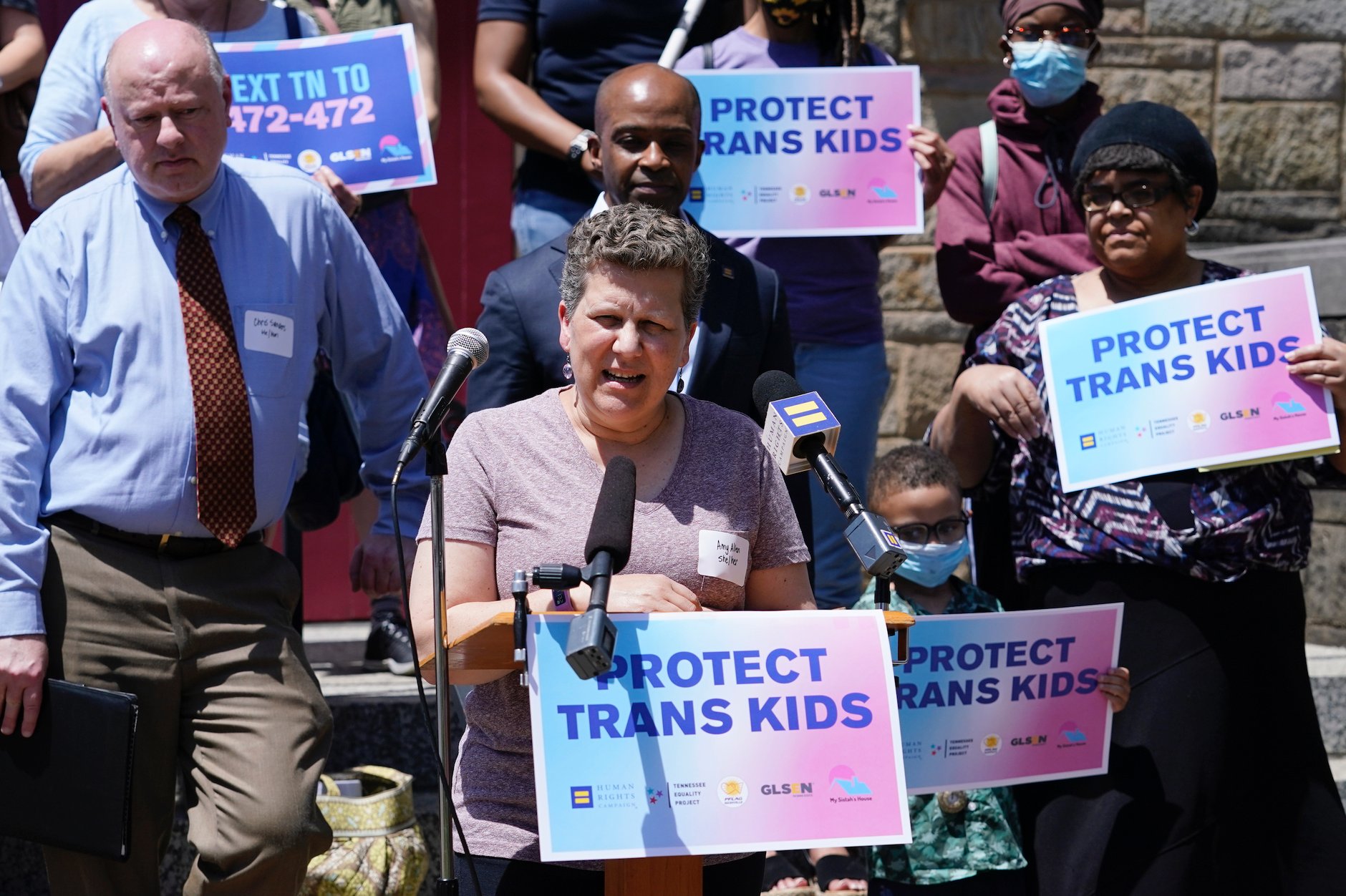
Federal Appeals Court Urged to Reinstate Transgender Protections in Six States
Urging for Transgender Protections in Six States
In recent years, the discussion surrounding transgender rights has become increasingly prominent, echoing through the halls of governments and communities across the United States. With various states advancing legislation that could potentially undermine the rights of transgender individuals, a recent development in federal court has brought renewed hope to advocates for equality. A federal appeals court has been urged to reinstate protections for transgender individuals across six states. This article will delve into the implications of these protections, the legal battles entwined therein, and why they matter not just for the individuals affected but for society as a whole.
The Current State of Affairs
Under the current legal landscape, various states have implemented policies that can restrict healthcare access, educational opportunities, and even basic rights for transgender individuals. This restriction can feel like a stone crashing through a window of hope, shattering what little security many in the transgender community have fought to build. Imagine being told that who you are – a core aspect of your identity – is invalid; that’s the reality many face today.
Now, you might be wondering, what drives these legislative changes? Often, they stem from a mix of political agendas, misinformation, and societal norms that have long stigmatized transgender identities. But this isn’t just a political issue; it’s a deeply human one. Transgender individuals frequently find themselves navigating a landscape rife with misunderstanding and bias – and that’s not something anyone should have to endure.
Legal Battles and Protections
The Backbone of Transgender Rights
The crux of the matter lies in federal protections that once shielded transgender individuals from discrimination, particularly under laws stemming from the Affordable Care Act (ACA). The ACA was not merely about healthcare; it represented a commitment to equality, emphasizing that no person should face discrimination based on their gender identity.
However, various states have sought to reinterpret these protections. For example, some legislation has introduced wide-ranging bans that curtail access to gender-affirming care for minors and even attempt to erase transgender history and contributions from school curriculums. Laws like these have often sparked legal challenges, leading to a rollercoaster of court rulings that leave many feeling uncertain about their rights.
A Call to Action
The federal appeals court’s recent actions signal a pivotal moment in this ongoing legal duel. Advocates are urging this court to reinstate the protections that had previously been in place. They argue that reinstating these protections isn’t just about healthcare; it’s about human dignity.
As the advocates plead their case, they often invoke stories from real-life experiences. Imagine a teen, finally finding the courage to express their identity, only to face roadblocks at every turn, from school policies that deny them the right to use the bathroom corresponding to their gender identity to medical providers who are afraid to give proper care due to vague and shifting regulations.
Why This Matters
Impact on Mental Health
The stakes are incredibly high. Numerous studies indicate that individuals who experience acceptance, support, and legal protections fare better in terms of mental health. Without the reinstatement of these protections, the mental health crisis burgeons within the transgender community.
Imagine being under constant pressure, feeling invisible, or worse yet, feeling unworthy of basic rights. It’s more than disheartening; it’s damaging. When the very fabric of society sends a message of rejection, the psychological toll can be immense.
Social Equality – A Collective Responsibility
Furthermore, this issue isn’t just a transgender problem; it’s a societal problem. As a community, we need to advocate for social equality. Ignorance breeds fear, but knowledge breeds acceptance. When we allow discrimination to proliferate, we inadvertently create an environment where hate can thrive.
Consider this: supporting transgender rights is akin to supporting civil rights for all. Every time we uphold the rights of marginalized communities, we essentially raise the bar for human dignity.
The Bigger Picture
Historical Context
To fully grasp the importance of reinstating protections, we must look back at the historical context of transgender rights in the U.S. For decades, the struggle for recognition has been fraught with obstacles. Characters like Marsha P. Johnson and Sylvia Rivera fought tirelessly during the Stonewall Riots, igniting what many refer to as the modern LGBTQ+ rights movement.
Yet, despite significant strides, the transgender community still faces discrimination and legislative hurdles. This lack of progress can be disheartening. Still, it’s a reminder that the fight is far from over. Much like plastering over cracks in a wall, it requires ongoing diligence, dedication, and strength.
Importance of Advocacy
Effective advocacy is not a mere wish; it’s essential. Organizations such as the Human Rights Campaign and GLSEN are at the forefront of this battle, pushing for inclusive policies and educating the public on transgender issues. As they work tirelessly, they remind us that advocacy is a shared responsibility. You don’t have to be a renowned activist to make a difference; sometimes, being a supportive friend or ally is enough.
How We Can Help
Educate Yourself and Others
So, how can you contribute to the cause? Start by getting informed. Familiarize yourself with the challenges transgender individuals face, and when in doubt, listen. By engaging with the community and understanding their experiences, you can become an advocate in your own right.
Engage in Conversations
Talk about these issues. By bringing them into your discussions, you help normalize conversations surrounding transgender rights. Many might not know the struggles faced by transgender individuals; breaking that silence can spark awareness.
Stand Against Discrimination
Lastly, always stand against discrimination, regardless of where it appears. Whether it’s workplace discrimination or hostility in public spaces, being vocal about your opposition can create ripples of change.
Conclusion
As the federal appeals court considers the reinstatement of transgender protections in six states, we stand on the precipice of a crucial moment. The outcome has the potential not only to reshape policies but to change lives for the better.
Each one of us plays a crucial role in this narrative – as advocates, allies, or simply as engaged citizens. The fight for transgender rights is not isolated; it is a reflection of our commitment to equality and humanity. By pushing for these protections, we affirm our belief in a society that values every individual, regardless of their gender identity.
FAQs
1. What are transgender rights?
Transgender rights refer to the human rights and civil rights of transgender individuals, encompassing areas like healthcare, legal recognition, and freedom from discrimination.
2. Why is reinstating protections important?
It’s crucial for safeguarding the rights of transgender individuals, allowing them access to necessary healthcare and protection against discrimination in various spheres of life.
3. What organizations are advocating for transgender protections?
Organizations like the Human Rights Campaign and GLSEN are prominent in advocating for transgender rights, offering support and resources for education and advocacy.
4. How does discrimination affect transgender individuals?
Discrimination can lead to severe mental health issues, decreased access to healthcare, and a lack of opportunities, ultimately affecting overall well-being and quality of life.
5. How can I help support transgender rights?
You can educate yourself and others, engage in conversations about transgender issues, and advocate against discrimination in your community.