Dragon Age’s The Veilguard Explores Transgender Identity in Gaming
Exploring Transgender Identity in Dragon Age: The Veilguard
When we think about video games, what often comes to mind are high-octane action sequences, sprawling open worlds, and the thrill of competition. But there’s a deeper narrative lying within many games—one that highlights identity, inclusion, and the myriad experiences that shape our lives. Dragon Age’s upcoming expansion, The Veilguard, dives headfirst into one of these nuanced topics: transgender identity. In this article, we will explore how The Veilguard champions representation in gaming, opens dialogues about identity, and the potential positive impacts on players and the gaming community at large.
The World of Dragon Age
To fully appreciate the significance of The Veilguard, we need to recognize the immersive world that Dragon Age has created over the years. Set in the fantasy realm of Thedas, players have navigated through epic tales filled with political intrigue, epic battles, and diverse cultures. The series is known for its complex characters and moral dilemmas that require players to make difficult decisions that shape the overall narrative.
What makes Dragon Age stand out from other RPGs?
- Rich Character Development: Every character has a backstory and a journey that feels real and relatable.
- Diverse Representation: The game has always aimed to include a wide spectrum of identities and orientations.
- Player Agency: Choices shape not only the world but also how players experience their characters’ identities.
As we prepare for The Veilguard, it’s exciting to think about how the developers will elevate these aspects, especially regarding transgender identities.
The Significance of Transgender Identity
The topic of transgender identity has gained heightened attention over the last few years, both in real life and in media, including video games. Historically, representation in games has often been limited or overshadowed with stereotypes. However, as society evolves, so too does the depiction of gender and the conversations surrounding it.
Inclusion in gaming is not just a checkbox to tick off; it’s a lifeline for countless individuals who see pieces of themselves reflected in their favorite characters. Representation allows players to feel seen, validated, and understood.
Why Gaming Representation Matters
- Relatability: Players often connect with characters on a personal level. When they see someone with a similar identity, it adds depth to their gaming experience.
- Fostering Understanding: A well-crafted narrative can educate players about lives and experiences that are different from their own, promoting empathy.
- Normalizing Diversity: Games that embrace diverse identities can help dispel stereotypes and create a more inclusive culture.
Inside The Veilguard
While specific plot details of The Veilguard may still be under wraps, what we do know is that the game is set to explore themes relating to transgender identity more profoundly than any previous entry.
Incorporating Gameplay Mechanics
Imagine being able to navigate not just quests, but also personal journeys regarding gender identity within the game. Optional story arcs, character customization, and interaction choices could allow players to share their unique narratives in a way that feels authentic and meaningful.
Representation in Character Design
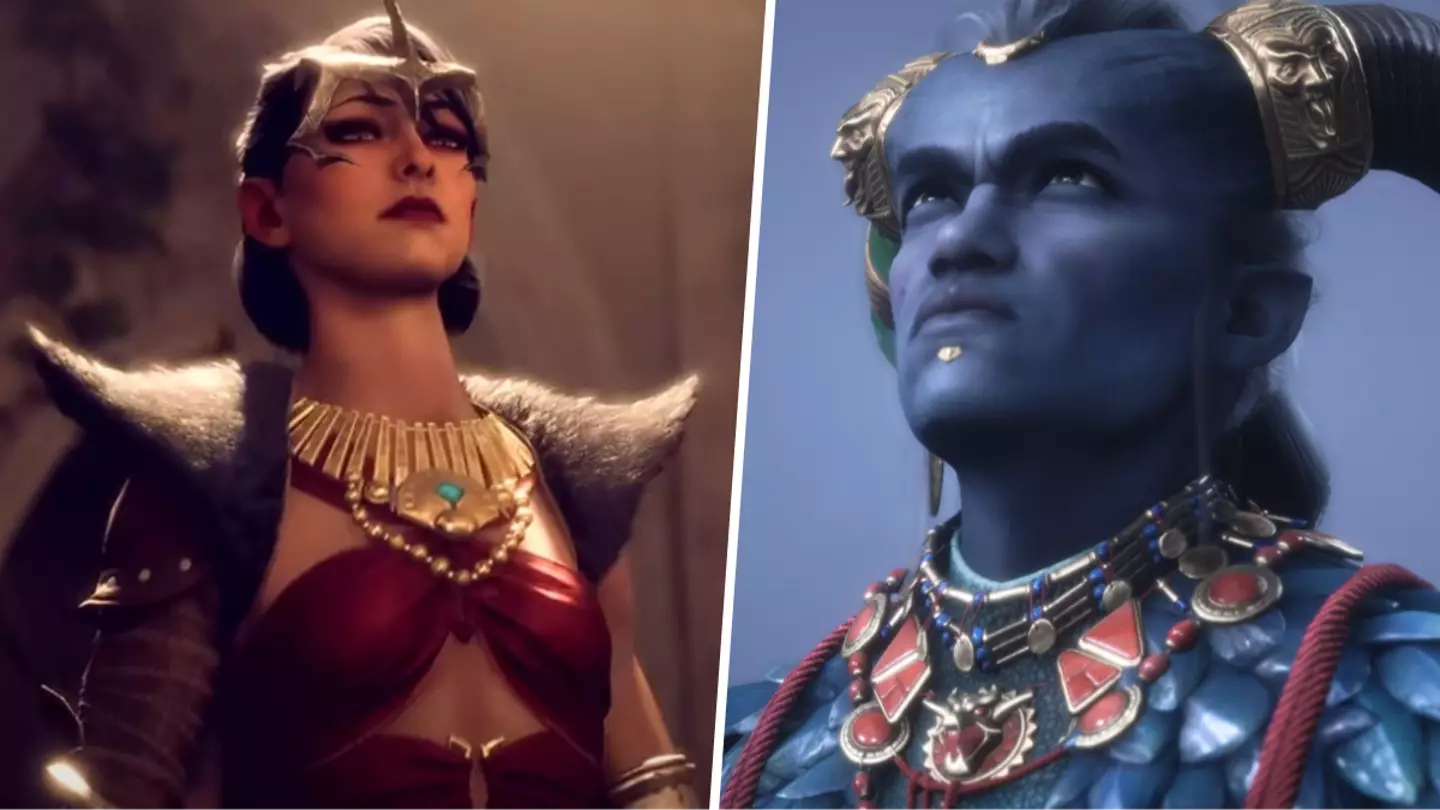
From what we’ve seen in teasers, The Veilguard appears to incorporate character creation options that affirm a range of gender identities. This can include:
- Pronoun Selection: Allowing players to choose their preferred pronouns to be used by NPCs can foster a more immersive experience.
- Appearance Options: A wide variety of hairstyles, body types, and clothing choices can reflect the diversity of expression found in real life.
- Interactive Story Arcs: Characters may present relatable journeys that touch on aspects of transgender experiences, offering depth to personal choices.
Creating Dialogue Around Gender Identity
A major strength of the Dragon Age franchise has always been its ability to tackle complex themes within an engaging narrative. With The Veilguard, there’s a significant opportunity to start conversations about gender and identity in a safe space.
Engaging with Players
One goal of immersive storytelling is to evoke emotions. Meaningful representation can lead players to question their own beliefs, challenge preconceived notions, and engage in dialogues with friends and the community. Here are some possibilities:
- Online Communities: Players may take to social media platforms or forums to discuss their experiences and share insights gained from their gameplay.
- Support Networks: Some players may find support from the gaming community, allowing them to express their own identities and connect with others who share similar experiences.
Challenges and Responsibilities
While The Veilguard holds immense potential for good, it also faces challenges. Developers must tread cautiously to avoid tokenism or endorsing outdated stereotypes that could harm representation. Authenticity must remain at the forefront.
Collaboration with LGBTQ+ Communities
To produce a genuine narrative, collaboration with transgender individuals and LGBTQ+ advocates during the development process is crucial. This can ensure that the portrayal of characters and storylines is thoughtful, respectful, and grounded in reality, allowing players to feel truly represented.
The Impact on Players
The introduction of more comprehensive transgender representation in gaming can resonate deeply with many players. For those identifying with these narratives, it creates a safe space to explore their own identities and experiences.
Potential Positive Outcomes
- Increased Visibility: The more transgender stories are told, the more normal they become, leading to better acceptance and understanding in wider society.
- Empowerment: Players may feel empowered to express themselves more freely, both in and out of the gaming world.
- Representation in Media: Success in games like The Veilguard could encourage other developers to pursue more diverse narratives, enriching the gaming landscape.
Conclusion
As we look forward to the release of The Veilguard, it’s essential to consider the broader implications of integrating transgender representation in video games. Not only does it allow for a richer storytelling experience, but it also provides a platform for discussions about identity that can reach beyond the screen. This expansion not only promises to enrich the Dragon Age series but potentially impacts how we perceive and engage with diversity in gaming as a whole.
By fostering a deeper understanding of transgender experiences, The Veilguard stands to galvanize the gaming community in significant ways. So, as you gear up for your adventures in Thedas, think about the stories you’re not just playing but also living through.
FAQs
1. What is The Veilguard about?
The Veilguard is an upcoming expansion in the Dragon Age series, set to explore themes of identity, particularly transgender narratives, within its engaging storyline.
2. How does the game incorporate transgender identities?
The game will feature customizable options for character creation, including pronoun selection and various appearance choices, as well as storylines that reflect transgender experiences.
3. Why is representation in gaming important?
Representation allows players to see themselves reflected in the characters, fosters empathy, and cultivates understanding about diverse experiences.
4. What can players expect from The Veilguard in terms of gameplay?
Players can expect immersive story arcs and interactive choices allowing them to explore their own identities as they navigate their character’s journey.
5. How can developers ensure authentic representation?
By collaborating with LGBTQ+ communities and individuals, developers can create thoughtful, respectful portrayals that resonate with real-life experiences.