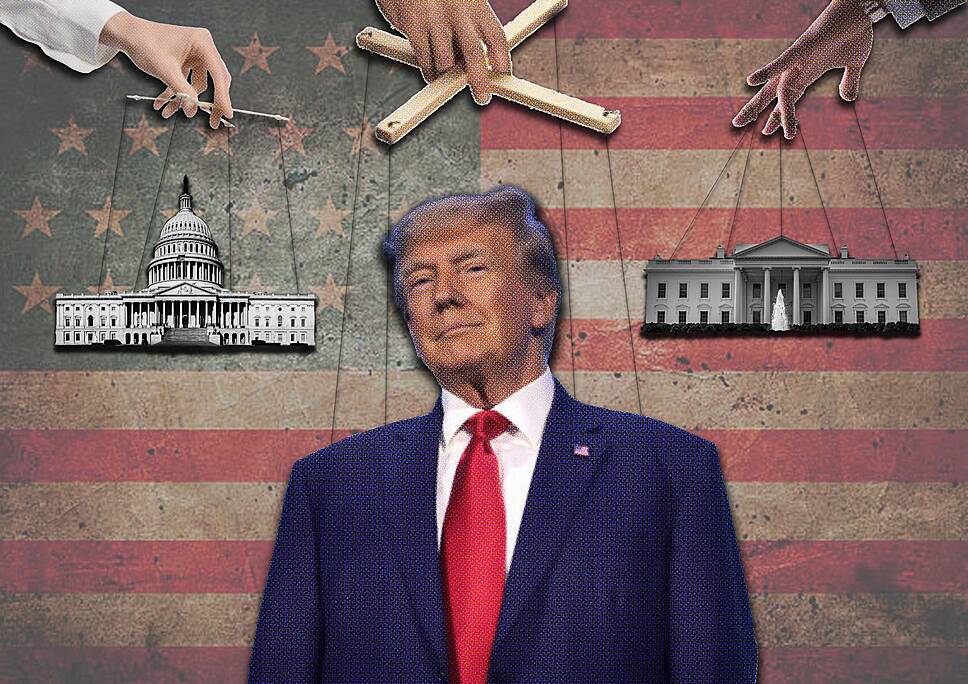
Donald Trump’s Re-election Campaign: A Landscape of Division and Threat
Donald Trump’s Re-Election: A Divided Landscape of Challenges
The political landscape in the United States is constantly evolving, yet few have been as polarizing as Donald Trump. With the 2024 election looming closer, Trump finds himself at the helm of a re-election campaign that is not just contested but rife with division, animosity, and a palpable sense of urgency among his supporters and critics alike. What makes this campaign distinctive, and what can we expect in the months leading up to the election?
The Trump Effect: Division Redefined
When it comes to divisive figures in politics, Trump may as well have written the book. His unique ability to ignite passion—both for and against—everyone from political analysts to grassroots activists highlights a fractured nation. It’s as if he has a magic wand, casting spells of fiery loyalty among his base while simultaneously igniting fervent opposition across the aisle. But why does his campaign elicit such extreme feelings?
Polarization is a feature, not a bug in Trump’s political playbook. He thrives on and even encourages division. Supporters feel empowered by his rhetoric, often expressing a sense of camaraderie through shared values like nationalism and populism. Meanwhile, detractors are alarmed by the upsurge in rhetoric that borders on vitriol and is perceived as intolerant and exclusionary.
The Rhetoric of Fear and Intolerance
Trump’s campaign rhetoric is characterized by a level of intensity that leaves many feeling unsettled. He doesn’t just speak to his base; he speaks through them, amplifying fears about issues like immigration, crime, and global socialism. This amplification can feel like a rallying cry for some but a siren call for chaos to others.
Key Themes:
- Nationalism: Many argue that Trump employs nationalism in a way that often excludes minorities and marginalized groups.
- Populism: His style of governance has roots in populism—a ‘common man’ persona that resonates with working-class voters, yet often fosters a disdain for perceived elites.
- Fearmongering: Issues like crime rates and immigration are often exaggerated to invoke a response from his supporters.
But why does this all matter? Well, as a political analyst might say, perception is reality. When fears are stoked, they become real for many, which can lead to a galvanizing effect on Trump’s campaign efforts.
The Impact of Social Media
In our hyper-connected world, social media isn’t just a tool for marketing; it’s the lifeblood of modern campaigning. Trump’s use of platforms like Twitter (now X) and Facebook has transformed how candidates engage with voters. Gone are the days of traditional town halls and polite debate; now it’s rapid-fire exchanges and a whirlwind of information (and misinformation) at the click of a button.
Harnessing the Digital Age
Trump’s campaign has embraced the full power of social media to spread its message. His posts often contain a cocktail of sensationalism, memes, and outright falsehoods that resonate with a digital-savvy audience. But it’s not just what he says; it’s how he makes people feel.
Digital tools that fuel his campaign include:
- Targeted Ads: Using algorithms to reach specific demographics boosts engagement.
- Influencer Partnerships: Trump’s camp often partners with social media influencers to extend their reach.
- Engagement Techniques: Clever use of polls and direct questions encourages voter interaction.
Social media creates echo chambers where like-minded individuals reinforce each other’s beliefs. This can lead to a dangerous situation where any dissenting opinion is drowned out, leading to an “us vs. them” mentality.
The Role of the Republican Party
Interestingly, Trump’s re-election campaign is not just a solo venture; it’s also a reflection of the state of the Republican Party. As Trump reaffirms his grip on the party, traditional Republican values often take a backseat to the more populist sentiments he promotes. This shift creates internal strife within the party itself as moderate voices struggle to maintain relevance.
Factionalism in Action
Even within the Republican Party, divisions run deep:
- Traditional Republicans vs. MAGA Republicans: The former is often focused on fiscal conservatism, while the latter prioritizes cultural conservatism and often embraces Trump’s rhetoric.
- Rising Influences: Figures like Ron DeSantis and Nikki Haley try to capture the Trump magic without the baggage, creating more competition within the party.
Herein lies the paradox: while Trump strengthens his base, he also opens the door for a splintering effect within the party he represents. The question is, does the party converge around him, or will it fracture under the weight of its divisions?
The Threads of Racism and Xenophobia
Another key aspect of Trump’s campaign is the undercurrents of racism and xenophobia that serve as rallying points for many of his supporters. Whether through his provocative comments on immigration or his calls to “Make America Great Again,” these themes resonate widely among certain groups, creating tension and apprehension elsewhere.
The Ripple Effects of Rhetoric
The extreme rhetoric surrounding issues of race can translate into real-world consequences:
- Acts of Violence: There have been increased instances of hate crimes and violence toward marginalized communities that some attribute to Trump’s inflammatory language.
- Activism and Opposition: In response, grassroots movements advocating for racial equity and social justice have gained significant traction.
The impact of Trump’s campaign goes beyond politics and seeps into everyday life, fostering fear in some communities and emboldening sentiments among others.
Confronting the Electoral Landscape
As we look ahead to the 2024 elections, it’s crucial to consider how the current political climate will shape voter turnout and engagement. The often-discussed theories of voting behavior suggest that many people won’t vote for a candidate—they’ll vote against one. This means that while Trump’s base remains ardent, opposition will counterbalance that fervor.
The Importance of Mobilization
For both sides, mobilization will be key. Trump’s campaign taps into feelings of disenfranchisement among his supporters, creating a sense of urgency about saving America from perceived threats. Conversely, the opposition aims to mobilize those who view Trump as the embodiment of the country’s deeper issues, leveraging the fear of division to spur civic participation.
Conclusion
Donald Trump’s re-election campaign is truly a microcosm of America itself—vibrant yet fractured, empowering yet alarming. As we delve deeper into this tumultuous political environment, one thing becomes abundantly clear: the stakes have never been higher. The landscape is laden with division, fueled by fear, and marked by a looming threat of violence that many are quick to recognize.
As we draw closer to November 2024, the volatility of this campaign will likely escalate, with unpredictable consequences for both Trump and the fabric of American democracy.
Frequently Asked Questions (FAQs)
-
What makes Trump’s re-election campaign so polarizing?
Trump’s campaign is polarizing due to its divisive rhetoric, which amplifies feelings of nationalism and fear among supporters while alienating many others. -
How does social media influence Trump’s campaign?
Social media allows Trump to disseminate his message rapidly, engage directly with supporters, and cultivate a sense of community among his base. -
What is the significance of factionalism within the Republican Party?
Factionalism creates challenges for party unity, with traditional Republicans sometimes at odds with more populist, MAGA-focused members.
-
Can the growing political divide impact voter turnout?
Yes, the current climate may mobilize both sides, inspiring those who fear Trump’s policies to vote against him and galvanizing his supporters to protect their vision of America. -
How do themes of racism and xenophobia manifest in Trump’s campaign?
These themes often surface in discussions about immigration and cultural identity, igniting both support and opposition among various demographic groups.