Black Women’s Voices Essential in Reevaluating Harris’s Election Loss
Black Women’s Voices: Key to Understanding Harris’s Election Defeat
In a political arena where every vote counts, the responses to Kamala Harris’s loss in the recent election reverberate deeply, especially among Black women. This group, known for their significant impact on electoral outcomes, has a unique perspective that is crucial for comprehensively analyzing Harris’s defeat. So, why are Black women’s voices essential in this context? Let’s dive deeper into this intricate web of politics, representation, and identity.
The Importance of Representation
Imagine stepping into a room filled with people who don’t look like you, who don’t share your experiences, and who don’t understand your struggles. This scenario can feel all too familiar for many Black women in politics. Representation isn’t just a buzzword; it’s a lifeline. Black women have historically been the backbone of the Democratic Party, contributing not only votes but also a vital cultural and generational wisdom.
When Kamala Harris, the first Black and South Asian woman to be elected as Vice President, launched her campaign, it was seen as a watershed moment. However, her election defeat raises questions about whether her representation resonated with Black women and what that signifies for future candidates.
A Closer Look at the Electoral Landscape
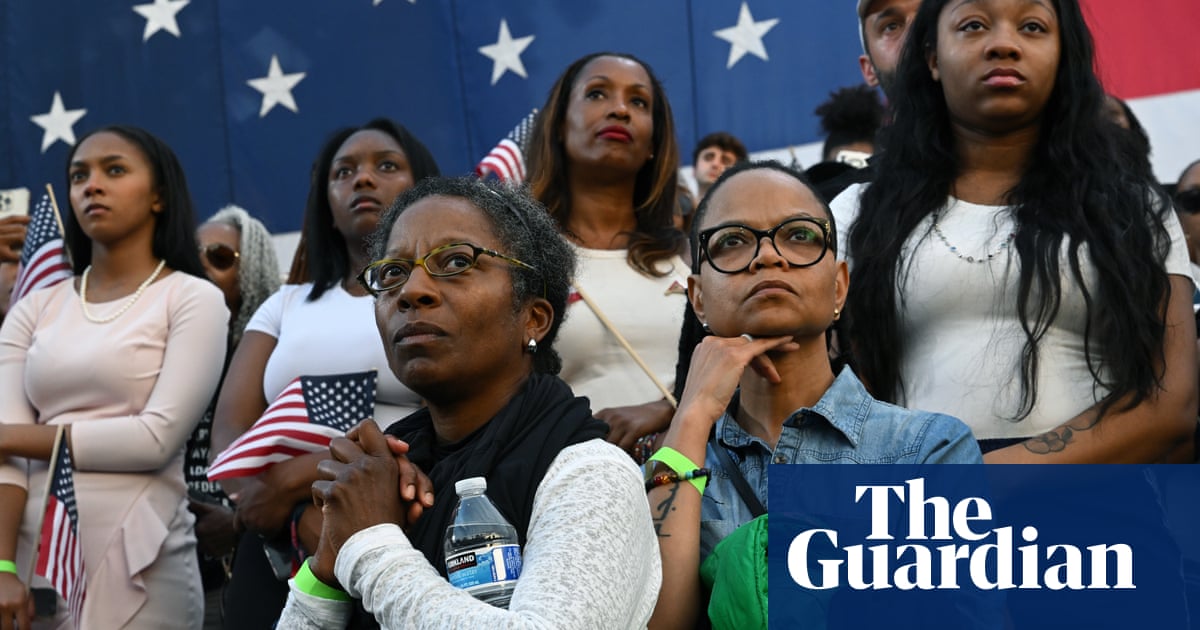
The recent elections have stirred a pot of complex emotions and reactions. For one, Black women have often voted in higher proportions than any other demographic, proving their loyalty to the party. But how did this translate in the wake of Harris’s loss?
The Electoral Stats: A Need for Scrutiny
Numbers can be both illuminating and misleading. While Harris did receive substantial support, there’s a significant gap when it comes to actively engaging her message among Black women voters. According to data, while 87% of Black women voted in support of Democrats, there were areas of disillusionment concerning Harris’s campaign platform.
Here’s where it gets intriguing:
- Voter Turnout: Black women historically show up to polls, but was enthusiasm for Harris high enough?
- Connection to Issues: Did her policies resonate with the pressing needs of Black women, such as economic security, healthcare access, and systemic racism?
These questions provide a roadmap for understanding why some voters may have felt disenfranchised, ultimately leading to a lack of support.
The Voices of Black Women: Silence or Strength?
When discussing Harris’s loss, we can’t just halt at the numbers; we must examine the narratives and stories from Black women across the nation. Their voices are a treasure trove of insights filled with experiences that can illuminate gaps in mainstream electoral strategies.
The Dual Burden of Identity
One thing that often gets overlooked is how Black women navigate the complexities of their identities. They aren’t just voters; they are sisters, daughters, mothers, and leaders in their communities. This dual burden can shape their political perspectives and priorities.
Many Black women have reported feeling sidelined, as if their issues were an afterthought in a broader campaign strategy. Here’s a crucial takeaway: When candidates prioritize the voices of Black women, they aren’t merely ticking boxes—they’re building a foundation of trust and unity.
Community Organizing: The Power of Grassroots Movements
Grassroots movements are the organs of democracy. They breathe life into political conversations and create walls of support and connection. In a world where top-down strategies often dominate, Black women have shown remarkable resilience, establishing organizations and initiatives that prioritize local needs.
Think of community organizing as a vibrant potluck dinner—each dish signifies unique contributions from various community members. When it comes to Harris’s defeat, the potluck—as a metaphor for collective efforts—wasn’t well-represented in her campaign. By leaning into these grassroots narratives, the Democratic Party can reinvigorate its connection with Black women.
Lessons for the Future: Building Trust
So, what do we take away from this electoral episode? How can Black women’s contributions be recognized and prioritized in future political pursuits?
Reimagining Campaign Strategies
Moving forward, campaigns must evolve. Recognizing Black women’s unique perspectives isn’t just fundamental; it’s essential. Here are a few recommendations:
- Listen Intensively: Host forums and discussions specifically centered around Black women’s issues. This can lay the groundwork for relatability and connection.
- Tailor Campaign Messaging: Navigate past boilerplate messaging to create narratives that resonate on a personal, community level.
- Invest in Local Leadership: Collaborate with Black woman leaders in communities. They are often the heartbeat of their neighborhoods and can bridge the gap in understanding.
Building Long-term Alliances
Elections come and go, but the connections forged among communities should be enduring. Working collaboratively with Black women on issues that matter to them—like healthcare, education, and economic equity—can foster a deeper sense of belonging and trust.
Conclusion
In the wake of Kamala Harris’s election loss, a myriad of voices and opinions emerges, but none more crucial than those of Black women. Their insights and experiences can serve as a compass for political representation and strategy, urging politicians to reevaluate their approach and listen deeply. Whether through grassroots efforts, community organizing, or heartfelt storytelling, Black women have the potential to redefine the electoral landscape.
So, as we look ahead to future elections, let’s remember that inclusion is not a passive beneficial factor—it’s a committed action. When Black women’s voices resonate deeply in the political arena, change isn’t just possible; it’s inevitable.
FAQs
1. Why is representation important in politics?
Representation ensures that diverse viewpoints are heard and reflected in policy-making, allowing for a more inclusive democracy.
2. How did Black women contribute to Harris’s election campaign?
Black women historically show up to polls in high numbers, actively support candidates, and lead grassroots efforts, playing a vital role in electoral outcomes.
3. What challenges do Black women face in politics?
Black women face unique challenges such as systemic racism, gender discrimination, and often feeling sidelined in mainstream political conversations.
4. How can political campaigns better engage Black women voters?
By prioritizing their issues, hosting community discussions, and building relationships with local leaders, campaigns can create deeper connections with Black women voters.
5. What role do grassroots movements play in political change?
Grassroots movements highlight local needs and create community-led initiatives that can influence political agendas and mobilize support for candidates.