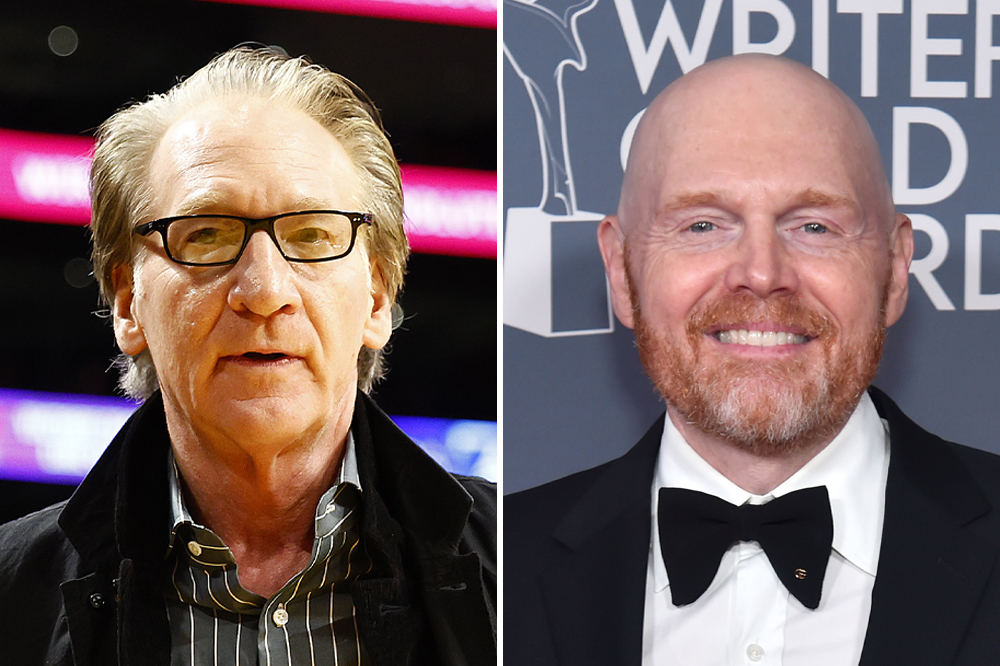
Bill Burr Speaks Out on Cancel Culture and Louis C.K.
Bill Burr on Cancel Culture and Louis C.K.: A Deep Dive
In the ever-evolving landscape of comedy and entertainment, opinions are as varied as the jokes told on a late-night stage. One voice that stands out is that of comedian Bill Burr. Known for his edgy humor and candid takes on social issues, Burr isn’t shy about addressing controversial topics, especially when it comes to cancel culture and the fate of fellow comedian Louis C.K. In this article, we’re going to unpack Burr’s insights on cancel culture, delve into Louis C.K.’s situation, and explore the implications for comedians and audiences alike.
What is Cancel Culture Anyway?
Before we dive into Burr’s views, let’s take a moment to unpack what cancel culture really is. Simply put, cancel culture is the act of publicly calling out individuals or entities for perceived wrongdoings, often leading to social ostracism or a loss of livelihood. It has become a hot-button topic in recent years, especially in the entertainment realm.
We’ve all seen it happen: one tweet, an ill-timed joke, or a forgotten comment can lead to a virtual mob attacking someone’s career and reputation. But is all this backlash justified? Or is it a knee-jerk reaction that harms more than helps? This is where Burr comes in.
Bill Burr’s Perspective on Cancel Culture
Bill Burr has never been one to mince words. He’s made a career from pushing boundaries, and that carries with it a level of risk, especially in today’s climate. In a recent discussion, Burr expressed his concerns about the actual consequences of cancel culture on the comedic community. Instead of labeling it as purely good or bad, he seems to advocate for a more nuanced understanding.
The Gray Area of Accountability
Burr highlights that there’s a fine line between accountability and cancel culture. Just because someone deserves to be held accountable doesn’t mean they should be publicly shamed to the point where it ruins their career. He questions: are we truly seeking justice, or are we simply enjoying the spectacle of someone else’s downfall?
He feels this culture of cancellation can stifle creativity. For comedians, the fear of being “canceled” looms large, leading to safer material and less honest self-expression. In a world that thrives on diverse perspectives—can we afford to lose that authenticity?
Humor as a Reflection of Society
Another interesting point Burr makes is that humor serves as a mirror to society. Make no mistake, comedians like Burr and C.K. often push the limits as a commentary on life’s absurdities. They explore taboo topics, and in doing so, they invite audiences to engage in difficult conversations. When you cancel a comedian, you’re not just silencing them; you’re losing a voice that reflects, critiques, and entertains aspects of society that may be uncomfortable to confront.
Louis C.K.: A Case Study in Cancel Culture
Louis C.K. is a prime example of the complexities surrounding cancel culture. Once a beloved figure in stand-up comedy, his career took a nosedive after sexual misconduct allegations surfaced in 2017. While C.K. faced severe backlash, including losing deals and fans, he eventually returned to the stage. However, not everyone welcomed him back.
Burr’s Support for Louis C.K.
Burr defended Louis C.K. amidst the storm of criticism. In his view, C.K.’s situation serves as an example of how easily the internet can do away with someone. Burr pointed out that while C.K.’s actions were wrong, he also highlighted the importance of allowing individuals the opportunity to change and learn from their mistakes.
Burr argues that if we’re genuinely focused on rehabilitation rather than punishment, we must allow a path for redemption. “You can’t just throw someone away,” Burr stated. He firmly believes everyone deserves a second chance—provided that they show genuine remorse and growth.
How Louis C.K. Has Navigated His Comeback
C.K.’s approach to his own comeback has involved embracing honesty about his past. After a hiatus, he returned to stand-up but did so with a keen sense of awareness regarding how audiences perceive him. Instead of dancing around his missteps, he confronted them directly, weaving them into his material. For some, this bravado felt genuine; for others, it appeared opportunistic.
The Audience’s Role in Cancel Culture
There’s an undeniable connection between comedians and their audience. Burr mentions that ultimately, it’s the audience that decides who gets to stay and who’s out. When Louis C.K. returned, many fans showed up to support him, while others condemned him for what he had done. This duality reflects society’s broader struggle with forgiveness and accountability.
The Implications for Comedians
So, what does this mean for comedians moving forward? Here are a few thoughts:
-
Navigating Sensitive Topics: Comedians will need to tread lightly, balancing their desire for honest and provocative material with the potential fallout from it.
-
Embracing Complexity: As Burr states, we must learn to embrace the gray areas. Life isn’t black and white, and neither is comedy. Understanding the complexities of different situations can help comedians strengthen their craft in nuanced ways.
-
Redemption Arcs Matter: Just like in storytelling, allowing for redemption can open up new narratives both in comedy and society. Encouraging growth over punishment could cultivate a healthier environment for artistic expression.
- Audience Engagement: The role of the audience cannot be overstated. Fans have the power to create dialogue through their reactions, whether they choose to support or boycott certain comedians.
Conclusion
Bill Burr’s outspoken nature on cancel culture and Louis C.K.’s controversial return sheds light on the tangled web of accountability and forgiveness in society. While it’s essential to hold individuals responsible for their actions, we must also recognize the power of personal growth and redemption. It’s a fine balance that’s challenging, but it’s one that bears significant implications for comedians and their audiences alike.
Comedy has the unique ability to spark dialogue around uncomfortable subjects, and silencing voices risks losing that vital perspective. As we navigate these modern complexities, the conversations we have today will inform the future of entertainment for years to come.
FAQs
1. What is cancel culture?
Cancel culture refers to the practice of publicly calling out individuals for perceived wrongdoings, often resulting in social ostracism or profession-related consequences.
2. How does Bill Burr feel about cancel culture?
Bill Burr expresses a nuanced view on cancel culture, arguing that while accountability is important, it shouldn’t lead to someone’s permanent ostracization.
3. What happened to Louis C.K.?
Louis C.K. faced backlash and career setbacks after sexual misconduct allegations surfaced in 2017, but he has since attempted a comeback in stand-up comedy.
4. Why does Burr support Louis C.K.?
Burr believes everyone deserves a second chance, provided they show growth and accountability for their actions. He argues for allowing a path to redemption.
5. What impact does audience reaction have on comedians?
Audience reactions are crucial, as they dictate who remains accepted in the comedic community. Comedians must navigate this landscape while remaining authentic to their art.