Avowed Sparks Debate on Diversity and Inclusion in Gaming
Avowed and the Diversity Debate in Gaming
The gaming industry is like a kaleidoscope, showcasing a rich array of colors, perspectives, and stories. But just like in life, not every shade is welcomed warmly. As we dive into the latest flame of discussions around diversity and inclusion ignited by Obsidian Entertainment’s upcoming RPG, Avowed, it’s essential to weigh in on the debates surrounding representation in gaming. Why has Avowed become the talking point, and what does it mean for the future of gaming? Buckle up; we’re about to embark on a wild ride through this minefield of opinion.
The Big Picture: Avowed’s Arrival
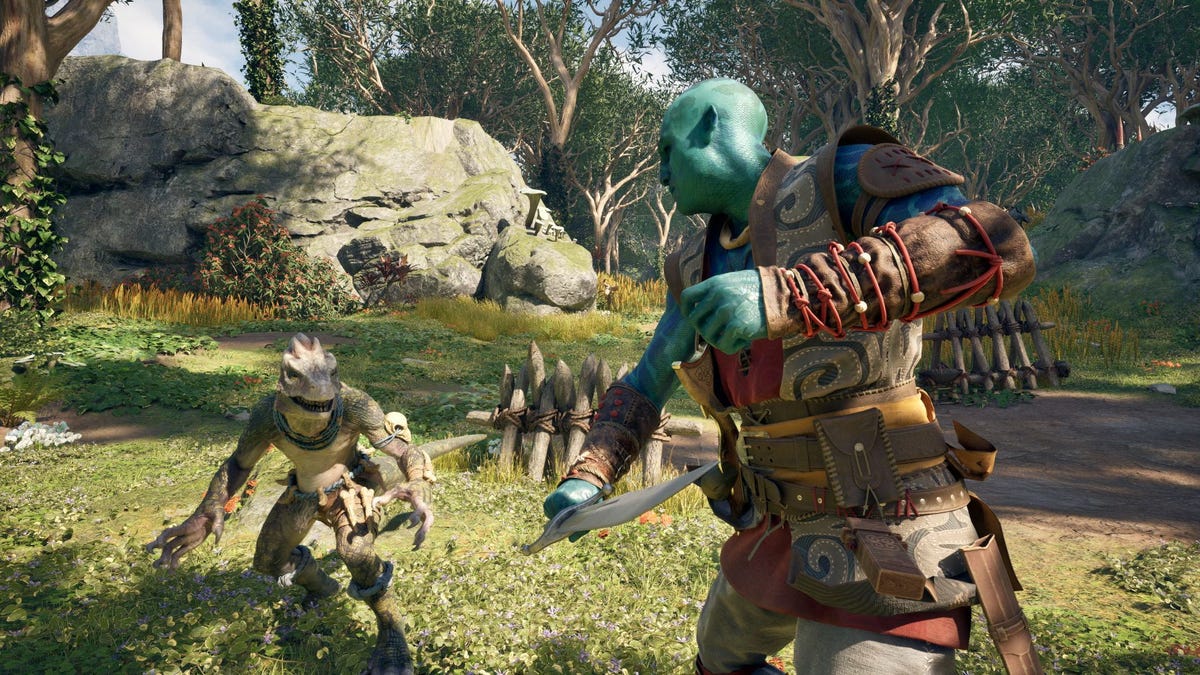
Avowed, a bright star in the constellation of upcoming role-playing games, has generated substantial buzz even before its release. As a title set in the expansive universe of Eora, which players first encountered in the critically acclaimed Pillars of Eternity series, Avowed promises to deliver a captivating fantasy experience. However, it’s not just the storyline or graphics that are stealing the spotlight: it’s the whispers of diversity and inclusion peppering the game’s marketing and development discussions.
What’s at Stake?
When we discuss diversity in gaming, we’re not just scratching the surface here. This topic touches on who gets to tell stories, how those stories are portrayed, and who gets to play them. It’s about who sees themselves reflected in the avatars they control and worlds they explore. The gaming community is not a monolith; it’s a melting pot bursting with different voices, experiences, and backgrounds. Understanding this can help foster richer narratives that resonate with a broader audience.
So, what exactly is the crux of the debate surrounding Avowed?
The Voices of Opposition
As news about Avowed’s embrace of diversity began shaping discussions, certain factions in the gaming community voiced sharp criticism. This backlash echoes sentiments that have arisen with increasing frequency in various entertainment sectors – a movement often tagged as “anti-woke.” Critics argue that injecting social justice themes into entertainment dulls creativity and promotes a political agenda rather than engaging storytelling.
The Anti-Woke Movement: A Closer Look
First, let’s unravel this “anti-woke” sentiment. At its core, this faction believes that the push for diversity and inclusion compromises the artistic integrity of games. They often claim that it results in forced narratives or tokenism, reducing complex characters into stereotypes or checklists designed to appease a specific audience rather than authentically represent diverse experiences.
While it’s essential to consider these opinions, it’s equally critical to pay attention to the facts. Every creative endeavor, whether it’s literature, film, or video games, reflects the era in which it’s created. So, does that mean we should just ignore contemporary social issues? That’s a question that lingers in the hearts and minds of creators and consumers alike.
The Other Side: Advocates of Diversity
On the flip side, proponents argue that diversity enriches storytelling and fosters a more inclusive gaming environment. They highlight that incorporating varied voices and perspectives allows players from different backgrounds to feel more seen and heard. Think about it: wouldn’t it be captivating to dive into a game where diverse experiences lead to unique quests and narratives?
The Benefits of Diversity in Gaming
Here are a few compelling reasons why diversity should be embraced in gaming:
Isn’t it fascinating to think about all the untold stories that could emerge from diverse creators? With every new character you meet, you could experience a little piece of someone’s life journey.
Navigating the Storm: Developers’ Perspectives
So how do game developers like Obsidian Entertainment approach this complex issue? When creating Avowed, it appears that they aim to balance storytelling needs with an obligation to be inclusive. In interviews, representatives have noted that they are focused on creating a world that feels alive and authentic—one where the characters’ backgrounds shape their narratives and interactions profoundly.
The Art of Balance
Striking a balance is, indeed, an intricate dance. Developers face pressure from various sides: some demand authenticity, while others wish to maintain a certain “classic” gaming experience. Creating a title that satisfies both crowds can feel like walking a tightrope, especially in an industry known for its passionate fanbase.
Player Expectations: Where Do We Stand?
As gamers, we might find ourselves caught in the middle of this spicy debate. Are we looking for an ass-kicking experience that simply lets us escape reality, or do we crave stories that resemble our societal landscape? Or both?
Revisiting Player Obligations
It’s crucial for us as players to ask ourselves: What kind of stories do we want to support? If we consistently gravitate towards games that lack diversity, what does that say about our values? Are we cutting ourselves off from a wealth of experiences and narratives that could enrich the medium?
One key takeaway here is the understanding that our choices as consumers can pave the way for future developments in gaming. By supporting games that prioritize a balanced representation, we send a message about the kinds of stories we want to see more of.
The Bigger Picture: Industry Implications
The discussions around Avowed aren’t just isolated to this one title; they shine a light on a larger trend within the gaming industry. As a whole, the landscape is gradually evolving to include more voices and stories that traditionally have been marginalized.
A Shifting Landscape
So, what’s fueling this change?
In part, the rising prominence of indie developers has been instrumental in shifting the narrative. These creators often prioritize storytelling over massive budgets and can take risks that larger studios may shy away from. Many indie games embrace unique cultural elements, pushing for a more diverse representation in gaming.
Moreover, social media has made it possible for players to voice their opinions and advocate for diversity more effectively than before. Conversations once confined to small groups are now spread far and wide, prompting both developers and publishers to take heed.
Conclusion: The Future is Diverse
As we wrap up this exploration of Avowed and the consequential conversations about diversity and inclusion in gaming, it’s evident that this debate is far from over. The gaming community is composed of diverse thoughts, perspectives, and opinions, and that’s what makes it a vibrant landscape worth exploring.
Whether you lean towards advocating for diversity or feel the need for a “return to form,” one thing is clear: the discussions surrounding Avowed challenge us to reconsider how we engage with stories in gaming. As players, we hold significant power—our preferences shape the kinds of narratives that get told. The choices we make today will create ripples in the industry tomorrow.
FAQs
1. Will Avowed feature diverse characters?
Yes, based on reports, Avowed aims to include diverse characters that reflect various backgrounds and experiences.
2. What does the term “anti-woke” mean in gaming?
“Anti-woke” refers to a movement that criticizes perceived overreach in diversity and inclusion in storytelling, arguing it compromises artistic expression.
3. How can players advocate for diversity in games?
Players can support developers who prioritize diverse representation by purchasing their games and advocating for their stories on social media.
4. Why is diversity important in gaming narratives?
Diversity in gaming narratives enriches storytelling, fosters empathy, and allows for a broader range of experiences, making games more immersive and relatable.
5. Will the debate over diversity in gaming continue?
Yes, as gaming evolves, discussions around diversity and inclusion will persist, reflecting changing societal values and player expectations.