Racist Rant on Flight to Los Angeles Sparks Outrage
Outrage Erupts Over Disturbing Racist Rant on Flight to LAX
The sky was supposed to be a place of travel and adventure, where people from all walks of life come together, but sometimes, it turns into a breeding ground for bigotry. Recently, a video has surfaced that captures a shocking incident on a flight to Los Angeles, which has sparked outrage across social media and beyond. Join me as we unpack the layers behind this incident, what it says about society today, and how we can champion for a better tomorrow.
What Happened Onboard?
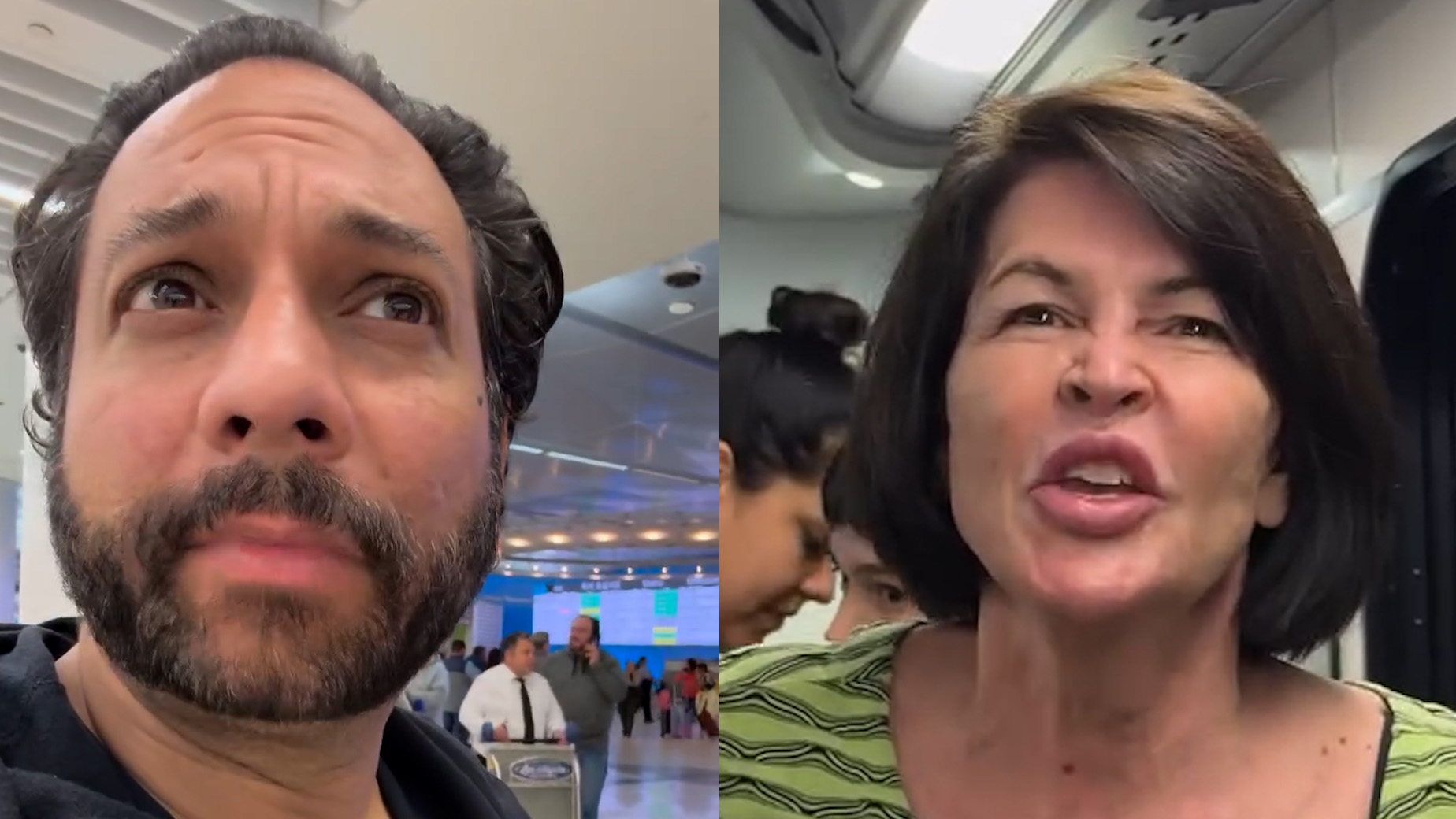
Imagine boarding a plane, settling into your seat, and preparing for a few hours of fascinating landscapes and intriguing conversations with your fellow travelers. Instead, you’re greeted with a loud, aggressive rant spewed by one of the passengers. That’s exactly what transpired on a recent flight to LAX, where a woman unleashed a torrent of racist remarks, berating other passengers who appeared to be of Asian descent.
The video, which quickly went viral, shows an individual yelling that those around her “aren’t American,” simply based on their appearance. This rant did not just capture the attention of those on the flight but ignited a firestorm of reactions from viewers around the world. Despite efforts by other passengers to de-escalate the situation, the hateful comments continued, leading to a surreal atmosphere filled with anger and hurt.
Why Did It Go Viral?
Have you ever come across a video that stopped you in your tracks? The emotional stir caused by viral content often demonstrates humanity’s innate nature to react to injustice. In this case, the stark contrasts between the woman’s rhetoric and the diverse American identity resonate with many, prompting thousands to share their thoughts on social media.
The fact that this incident occurred aboard a flight—typically a neutral space designed for travel—added to the shock. Many users expressed feelings of disbelief that such hatred can surface in a setting where passengers expect courtesy and respect. The ubiquity of smartphones has made it easier than ever to document these interactions, allowing for a more extensive dialogue about racism and prejudice.
The Empowerment of Bystanders
While the video showcases an act of hate, it also shines a light on the responsibility of bystanders. In many situations, people feel paralyzed when they witness discriminatory behavior. However, this incident has inspired discussions on the need for intervention—whether that means speaking up in the moment, standing in solidarity with the victims, or reporting the behavior to authorities.
Reinforcing the concept of activism, many social media users are emphasizing the importance of collective action. Whether it’s addressing verbal abuse or systemic racism, the message is clear: silence is complicity.
Understanding Racism in the 21st Century
So, why does this type of behavior keep resurfacing in modern society? Racism, although often relegated to the past in many people’s minds, is very much alive and can manifest in both overt and subtle ways.
Types of Racism
-
Overt Racism: This is the blatant type you often see in confrontations like the one on the flight. It involves obvious and direct derogatory comments or actions against a particular group.
-
Covert Racism: This form is less visible but just as damaging, including microaggressions, unconscious bias, or systemic inequities that disadvantage certain groups without open acknowledgment.
-
Cultural Racism: This encompasses stereotypes perpetuated by media representations that affect how certain ethnicities are perceived and treated in day-to-day interactions.
The Role of Social Media
Social media serves as a powerful tool for both amplifying voices and holding people accountable. Amplification happens in real-time; videos can spread like wildfire, encouraging discussions that challenge the status quo. In light of these continued dialogues, we must examine our roles as individuals in our communities.
How Social Media Facilitates Change
-
Witness to Injustice: Videos like the one captured on the flight serve as undeniable evidence of prejudice and can spur movements demanding justice.
-
Community Building: Hashtags and shares create a virtual space for those affected by similar experiences to band together and offer support.
-
Education and Awareness: Social media acts as a platform for information, allowing people to educate themselves and others about race, ethnicity, and cultural sensitivities.
Challenging the Narrative
It’s crucial to recognize that while the virality of this video is alarming, it also opens up opportunities for dialogue around race relations. We often hear the saying, “art imitates life,” but in our current world, perhaps it is also true that social media can act as a mirror to society, echoing back our prejudices and prompting us to reflect.
Opportunities for Growth
Rather than just observing and feeling outraged, it’s essential to channel these emotions into positive actions:
-
Educate Yourself: Dive deep into the history of different cultures, especially those that are marginalized in your community. Knowledge is power.
-
Engage in Conversations: Discuss race and racism with friends and family. Open dialogue can create awareness and promote better understanding.
-
Support Inclusive Initiatives: Get involved with organizations working towards racial equality and uplifting marginalized voices.
A Path Forward: Building an Inclusive Society
While the rant captured in the video is part of a larger narrative of racism, it also serves as a reminder of the work that still needs to be done. As passengers on this flight together, we need to develop a communal sense of responsibility.
Steps Towards Building Empathy
-
Listening: Often, we talk about our experiences, but taking the time to listen can offer valuable insights into the struggles that others face.
-
Reflecting: Looking inward can uncover our biases and encourage growth. Consider your own interactions and whether they promote inclusivity.
-
Acting: Whether big or small, every action matters. Advocate for policy changes, support minority businesses, or simply befriend someone from a different background.
The Silver Lining
It may seem like a dark time, but incidents like this can spur transformative change if we use our voices and platforms wisely. It sets the stage for deeper conversations about race, privilege, and empathy throughout society.
Conclusion
The viral video of the racist rant during the flight to Los Angeles serves as a jarring reminder of the work that still lies ahead in our journey toward a more inclusive society. While hate may rear its ugly head, what we do in response defines us. From individual actions to collective change, it’s crucial that we unite against prejudice and discrimination.
In the end, every moment provides us with the opportunity to educate ourselves, advocate for change, and foster connection with one another. Change doesn’t happen overnight, but every small step can lead us closer to a future where understanding and compassion reign.
FAQs
-
What can individuals do when they witness racist behavior?
- Speak up if it’s safe to do so and offer support to those being targeted. Report the incident to authorities if necessary.
-
How can social media be used effectively in combating racism?
- Use it to amplify marginalized voices, share educational resources, and engage in discussions about race and equality.
-
Is it possible to change someone’s racist views?
- Change is possible, but it requires empathy, persistence, and a willingness to engage in deep and sometimes challenging conversations.
-
What organizations focus on racial equality?
- Many organizations work toward racial equality, such as the NAACP, ACLU, and local community groups advocating for specific needs.
-
How does racism affect mental health?
- Experiences of racism can lead to increased stress, anxiety, and a range of mental health issues, reflecting the broader impacts of discrimination on individuals’ well-being.