Marin Students Advocate for Tougher Anti-Racism Laws in Schools
Marin Students Push for Stronger Anti-Racism Laws
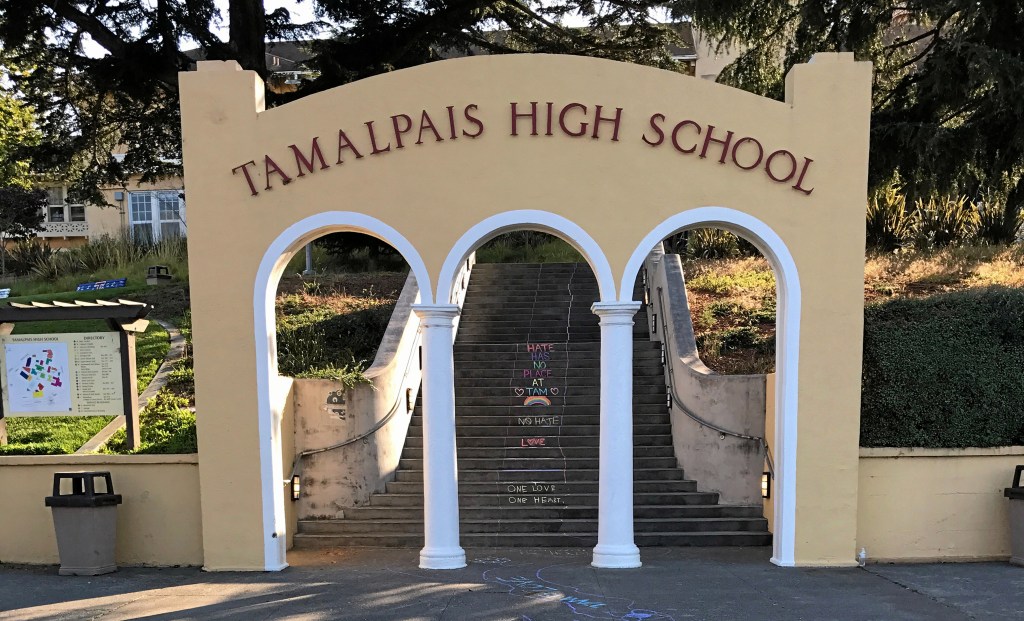
In recent years, discussions about racism in schools have heated up, sparking movements across the country. One such movement is gaining momentum in Marin County, California, where students are advocating for tougher anti-racism laws in schools. This initiative is not just about addressing incidents of racism but about fundamentally changing the culture within education systems to promote inclusivity and respect.
Understanding the Situation
It’s no secret that racism can seep into all facets of life, and schools are no exception. From bullying to exclusion, the impacts of racism can be devastating and long-lasting for many students. For young people, school should be a safe haven, a place where they can learn and grow without fear of discrimination or hostility.
The Birth of a Movement
The call for change has resonated deeply within Marin’s student body. This isn’t just a localized issue; students across the country are demanding action. The students in Marin aren’t sitting back; they are stepping up to voice their concerns through peaceful protests and organized campaigns.
You might wonder, “What’s inspired these students to take action now?” It’s quite simple—the realization that they can be the change-makers in their communities. When students recognize that their voices have power, they unite for a common cause, and that’s exactly what’s happening in Marin. It’s inspiring to see passionate youth rallying against injustice!
The Role of Education in Combatting Racism
So, what role does education play in all of this? Education is one of the most powerful tools for social change. Schools have the potential to shape future generations and influence societal norms. Here’s how they can contribute to combatting racism:
-
Curriculum Development: Schools should include a diverse curriculum that reflects the history and contributions of various racial and ethnic groups. This education fosters understanding and empathy.
-
Safe Spaces: Establishing environments where students can share their experiences without fear of judgment promotes dialogue and healing. Having structured sessions on racism can educate students and encourage them to listen actively.
-
Training and Workshops: Professional development for teachers and staff is key. By equipping educators with the tools to identify and confront racism, schools can foster a more inclusive culture.
The Students’ Demands
What exactly are the students in Marin advocating for? Here are some critical points:
-
Stricter Policies: They want clear guidelines outlining the consequences of racist behavior, ensuring that schools take immediate action when incidents occur.
-
Mandatory Training: They’re calling for regular anti-racism training for all school staff, not just teachers. This includes those in administrative roles.
-
Student Representation: The students seek to have a say in the development of these policies. After all, who knows better about the challenges of school life than the students themselves?
- Transparency: They’re advocating for transparent reporting systems where students can safely and anonymously report incidents of discrimination.
The Impact of Social Media
In today’s digital age, social media acts as a megaphone for social justice movements. Students in Marin are using platforms like Instagram, TikTok, and Twitter to amplify their message. By sharing personal stories, organizing events, and creating hashtags, they draw attention to the importance of their cause.
Think about it: one powerful tweet can raise awareness and spark conversations worldwide. Isn’t it fascinating how a generation comfortable with technology can harness it for activism? Rather than feeling isolated, they find community and solidarity online, bolstering their efforts for change.
Building Community Support
For any movement to gain traction, it must have the backing of the community—and the Marin students aren’t stopping at just fellow students. They’re reaching out to parents, local leaders, and educators to get their support.
Community forums, town hall meetings, and virtual discussions have been organized, which not only educate but also allow various voices to be heard. Such collaboration strengthens the push for tougher anti-racism laws. After all, it takes a village, right?
Local and National Reactions
The responses to the students’ advocacy have been a blend of support and skepticism. Many local educators and administrators have applauded the students’ courage and determination. However, some skeptics argue that additional laws won’t make a difference without genuine commitment at all levels.
What Do Experts Say?
Experts on race relations and education suggest that while laws are essential, they should be coupled with longstanding cultural change within institutions. It’s not just about creating rules; it’s about instilling values of respect, empathy, and inclusion among students and staff.
Experts advocate for a holistic approach, integrating anti-racism into every aspect of school life—from discipline policies to extracurricular activities. When anti-racism becomes a core value rather than an afterthought, schools can become truly inclusive environments.
The Road Ahead
What’s next for the students of Marin? The path to enacting these changes can be long and fraught with challenges. However, their determination can’t be undermined. Future meetings with school boards and public demonstrations will continue to raise awareness, engage the community, and push for action.
They may face obstacles, and there may be times of discouragement, but the fire that propels this movement will persist. It’s about building momentum—one brave step at a time.
Conclusion
The movement for tougher anti-racism laws in Marin schools signifies a larger national narrative. Students are tired of waiting for change; they’re stepping up, and they’re doing it with courage and clarity. It’s a vivid reminder that change doesn’t come from those sitting on the sidelines but from those who take a stand. By advocating for stronger policies, inclusive education, and community support, these students are not just shaping their immediate environment—they’re influencing the future.
This initiative highlights one fundamental truth: youth voices matter, and together, they can indeed foster the change our society so desperately needs. As we continue to support these young advocates, we must also reflect on our roles in this ongoing struggle for equality and justice.
FAQs
1. Why are Marin students advocating for tougher anti-racism laws?
The students seek to address systemic racism in schools and create a safer, more inclusive educational environment.
2. What specific changes are the students pushing for?
They are advocating for stricter policies against racism, mandatory training for staff, student representation in policy-making, and transparency in reporting incidents.
3. How is social media impacting this movement?
Social media allows students to amplify their message, share personal stories, and mobilize support from a wider audience.
4. What role do educators play in combating racism in schools?
Educators are crucial in fostering an inclusive culture through training, creating safe spaces for dialogue, and implementing anti-racism education in the curriculum.
5. What’s next for the Marin student advocates?
They plan to engage in community discussions and continue advocating for policy changes while fostering awareness around anti-racism efforts in schools.