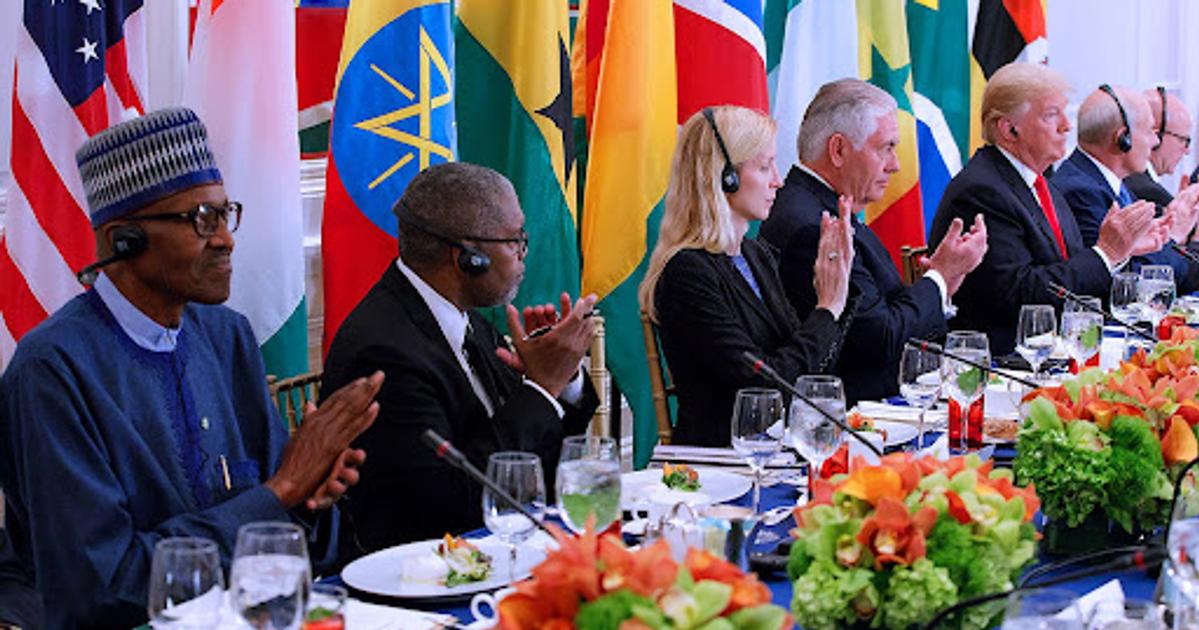
Trump’s MAGA Insiders Push for Anti-Woke Policies in Africa
Trump’s MAGA Insiders Push Anti-Woke Policies in Africa
The landscape of American politics has seen a whirlwind of changes, especially under the influence of former President Donald Trump’s “Make America Great Again” (MAGA) philosophy. One of the most intriguing aspects of this movement is its reach beyond U.S. borders, particularly into the heart of Africa. As we dive into this topic, we’ll explore what it means for MAGA insiders to champion anti-woke policies on the African continent, the implications of these actions, and the cultural nuances involved. Buckle up, because this ride is going to take some unexpected turns!
Understanding the Context: What are Anti-Woke Policies?
First things first—what do we mean by “anti-woke”? The term “woke” has evolved significantly over the past decade. Initially, it was a call to awareness concerning social injustices, especially relating to race and gender. However, it has since morphed into a term often used pejoratively by conservatives to describe progressive or liberal stances that they view as excessive or misguided.
Anti-woke policies, therefore, can be understood as initiatives aimed at rolling back or opposing progressive measures related to social justice, equity, and diversity. This can manifest in various forms, from educational curricula that downplay systemic inequality to restrictions on certain freedoms tied to gender identity or expression.
Imagine walking into a party where everyone is talking about the latest trends in social justice. Now, picture someone coming in and announcing a “no politics” policy—suddenly, that vibrant conversation takes a hit. These anti-woke policies aim to create a similar atmosphere on a larger scale, diminishing discourse surrounding equity and inclusion.
Africa: A New Frontier for Anti-Woke Politics?
The Strategic Shift
So, why Africa? This isn’t just a random dart thrown at a map. Africa has seen a surge in U.S. political interest— a mix of economic, strategic, and geopolitical factors are at play. Countries like Nigeria, South Africa, and Kenya are not only large markets but are also increasingly influential on the global stage. The U.S. sees the potential for partnerships, and MAGA insiders are keen to shape these international relationships through their lens of anti-woke sentiment.
Over the past few years, we’ve seen notable shifts within certain African governments towards more traditionalist stances on social issues. Some leaders have embraced anti-LGBTQ+ rhetoric or policies that resemble anti-woke sentiments. The alignment is tempting for MAGA insiders who want to solidify alliances while pushing their ideological agenda.
The Historical Context
It’s essential to understand that Africa’s relationship with social issues is influenced by a complex past, including colonialism and the fight for independence. Cultural norms vary widely across the continent, and what might be considered “woke” in one nation could be viewed very differently in another. This mosaic of perspectives can be appealing for MAGA insiders who are looking for allies in the fight against what they see as “political correctness.”
The Players Involved
MAGA Insiders: Who Are They?
MAGA insiders aren’t just politicians—they include a web of strategists, influencers, and advocates who are committed to advancing Trump’s agenda. Some of these figures have turned their gaze toward Africa, hoping to forge partnerships that align with their anti-woke policies.
- Political Figures: Some former Trump administration officials are actively pursuing these policies, leveraging their connections within the U.S. government and private sector.
- Think Tanks and Advocacy Groups: Organizations aligned with MAGA’s ideology are pushing for policies that reflect their values, exerting pressure on African governments to adopt similar stances.
- Media Outlets: Conservative media plays a significant role in spreading these narratives both in the U.S. and abroad, framing anti-woke policies as beneficial for countries looking to bolster traditional values.
The African Response
African leaders have varied responses to these overtures. Some may welcome the economic benefits that come from aligning with American interests, while others may be hesitant, understanding the delicate balance of local culture and the globalized world.
- Economic Incentives: Trade deals and foreign investments come with strings attached, and some leaders are willing to consider these when they favor local interests.
- Cultural Pushback: Not all African nations are receptive to anti-woke policies. Many progressive movements are gaining momentum, pushing back against conservatism and advocating for greater equity and representation.
The Social Media Machine
Spreading the Message
In today’s digital age, social media serves as both a battleground and a megaphone for political messages. MAGA insiders are keenly aware of this and are utilizing platforms to spread their narratives—even in foreign markets like Africa.
- Targeted Campaigns: With tools like Facebook and Twitter, these insiders can target audiences with precision, presenting anti-woke policies as a form of empowerment or local tradition.
- Influencers and Grassroots Movements: Collaborating with local influencers who share their views helps legitimize their stance and challenge progressive narratives.
The Clash of Narratives
The narrative clash on social media is striking. On one hand, you have MAGA supporters framing anti-woke policies as a defense of morality and tradition. On the other hand, there are progressives pushing for equality and justice, often utilizing the same platforms to counteract these narratives.
The Consequences: What’s at Stake?
Societal Impact
The push for these anti-woke policies in Africa isn’t just a political strategy; it impacts societies at multiple levels. Here’s what to consider:
- Marginalization of Voices: By promoting a singular narrative, the voices of marginalized communities could face increased silencing.
- Cultural Homogenization: The adoption of compatibility policies may lead to a dilution of cultural diversity, as many unique voices and experiences risk being overshadowed.
- Backlash: There’s always room for resistance. Progressive movements, often fueled by the younger generation, can push back against this tide, demanding recognition and justice.
The Global Perspective
It’s important to frame this campaign as part of a larger, global trend against progressive ideals. When you consider that similar movements have arisen in Europe and the Americas, the collaboration between MAGA insiders and certain African regimes appears as a strategic alignment rather than coincidental.
Conclusion: The Future of Anti-Woke Policies in Africa
The push by Trump’s MAGA insiders for anti-woke policies in Africa is a complicated web of politics, cultural dynamics, and social implications. As this movement evolves, it will undoubtedly confront resistance from within the continent and beyond. The dialogue surrounding these issues will play a pivotal role not just in American politics, but in shaping the future of international relations and cultural compatibility.
So, where does Africa fit into all of this? It’s neither simply a battleground nor a passive recipient of foreign influence. As the continent grapples with its identity amid these incursions of anti-woke sentiment, we can expect anything but a straightforward outcome.
In the end, it’s essential to keep engaging, questioning, and understanding how global politics shapes local realities. The conversation is far from over!