Fisk University Students Targeted with Disturbing Racist Texts
Disturbing Racist Texts Target Fisk University Students
In a world that craves equality and understanding, it’s devastating to hear of incidents that throw those ideals right back into the shadows. Recently, students at Fisk University were hit with deeply offensive racist texts that ignited fury and fear. This troubling event not only disrupts the harmony of campus life but raises pressing questions about the enduring presence of racism in our society. Let’s dive deeper into this incident, exploring its implications, university responses, and the broader context surrounding racism in education.
The Incident: What Happened?
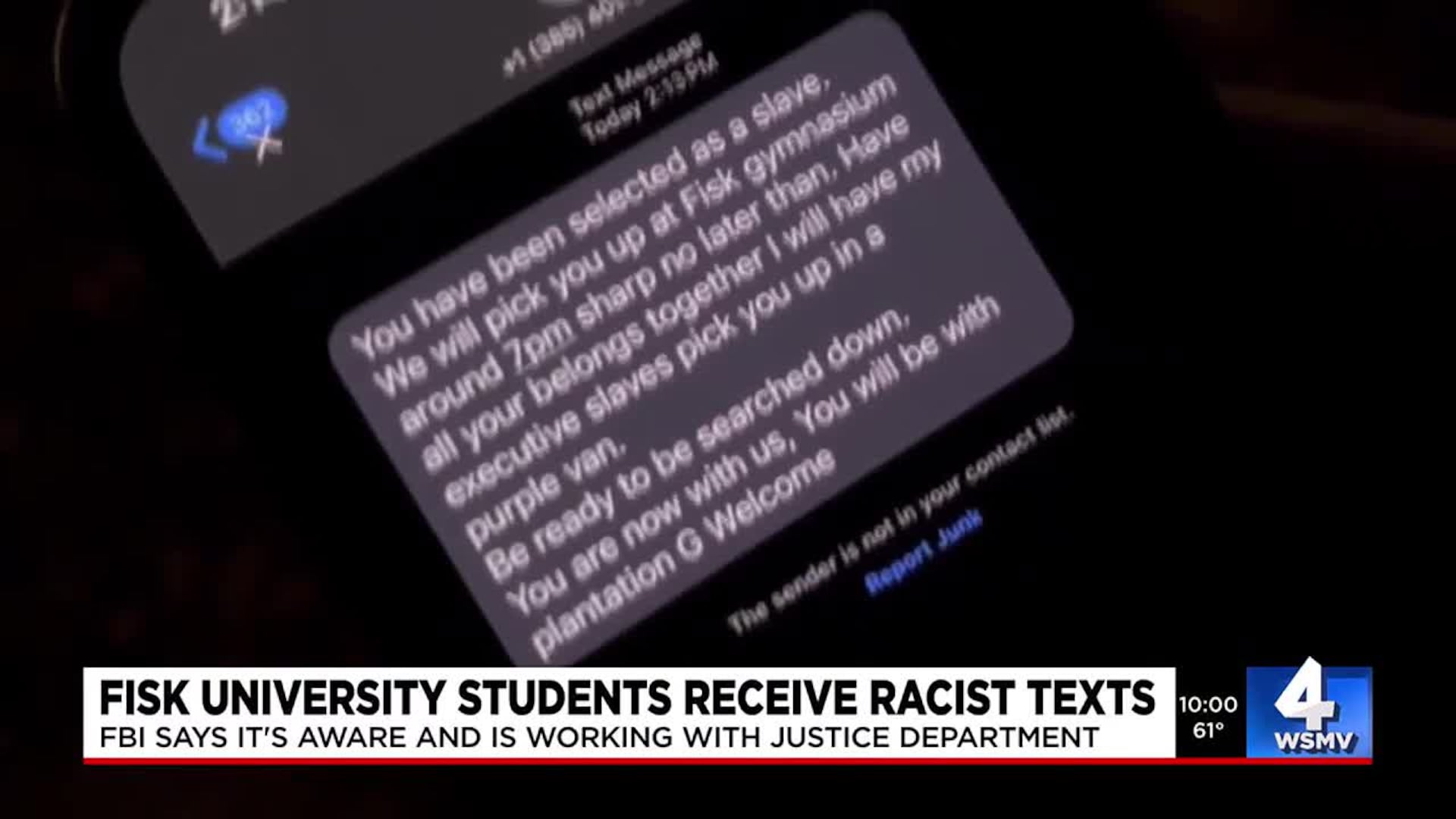
Imagine waking up to your phone buzzing, only to find a barrage of hateful messages. That was the reality for many students at Fisk University, a historically Black university located in Nashville, Tennessee. Reports show that students received vile texts filled with racist undertones and outright derogatory language. Not only did these messages serve as a painful reminder of the prejudice that still exists, but they also shocked the wider community, prompting outrage and protests.
These texts serve not just as random acts of hatred, but as a reflection of a troubling undercurrent that persistently clouds the experience of students of color. It calls into question how far we’ve come in addressing systemic racism, especially in educational institutions meant to foster growth, community, and respect.
Understanding the Implications
The Emotional Toll
Take a moment to consider the emotional impact of receiving such hateful messages. For many students, college represents a critical time for self-discovery, learning, and building a closer community. However, for those who received these racist texts, the experience can evoke feelings of isolation, fear, and mistrust.
- Fear: Students might fear for their safety on campus.
- Betrayal: They may feel betrayed by the institution that should protect them.
- Anger: A surge of anger often develops, igniting the need for action and change.
Broader Social Implications
Incidents like these aren’t just isolated; they resonate throughout the broader society. They unearth the haunting remnants of racism and bigotry that plague communities everywhere. The messages sent to Fisk students serve as a stark reminder that, despite progress over the decades, we still have a long road ahead.
- Education is Key: Just as we invest in our technological advancements, we must equally focus on social education.
- Community Support: Such events rally communities together, encouraging solidarity and the fight against intolerance.
- Policy Changes: Universities must reassess their policies regarding harassment and discrimination to foster a safer environment.
The Role of Social Media
Social media platforms play a dual role in incidents like these. On one hand, they can amplify the voices of those who experienced trauma; on the other, they can be breeding grounds for toxic behavior.
- Amplification of Voices: Social media can shine a light on injustices, allowing for solidarity and support among peers.
- Perpetuation of Hate: Unfortunately, hate speech can spread just as quickly, perpetuating a cycle of hurtful behavior.
The University’s Response
In response to the incident, Fisk University has released statements condemning the messages and supporting the affected students. While this is an important step, students are understandably demanding deeper actions.
Actions and Initiatives
Here’s what they need to consider:
- Open Forums for Discussion: Creating spaces where students can voice their concerns openly and safely fosters dialogue and understanding.
- Mandatory Diversity Training: Educating staff and students on issues of race can help dismantle ignorance.
- Mental Health Resources: Offering mental health support to affected students must be a priority as they process these events.
It’s not enough to simply condemn the actions. Real change comes through decisive action and commitment to nurturing an inclusive environment.
Community Impact and Responses
This incident has sparked outrage not just within the university but among the surrounding Nashville community. Various organizations and activist groups have rallied together, urging action and accountability.
The Role of Activism
Activism plays a critical role in fostering change, especially in moments like these:
- Awareness Campaigns: Raising awareness about the issue encourages conversations that might otherwise not happen.
- Petitioning for Change: Many students and community members call for tangible changes in university policies and community practices.
- Support Networks: Establishing networks that support victims of hate can help combat the feelings of isolation.
Responses from Black Student Organizations
Black student unions and organizations have taken a stand, organizing protests and discussions. Their involvement emphasizes the need for unity and resilience in the face of adversity.
A Glimpse into the Larger Picture
This incident is a reflection of a larger societal problem: racism and intolerance should not just be addressed in academia but combated at every level of society.
Current Climate of Racism in Education
Despite the milestones achieved in the civil rights movement, racism lingers in educational institutions:
- Disparities in Education: Many Black and minority students still face challenges in accessing quality education and resources.
- Disproportionate Discipline: Studies show that students of color are often subjected to harsher disciplinary measures in schools.
Lessons from History
History offers us a wealth of knowledge on the struggles against racism. Learning from past battles can provide guidance on moving forward:
- Empowerment through Knowledge: Emphasizing education about our country’s past is crucial for shaping informed citizens.
- Building Alliances: The civil rights movement teaches us that collective action often leads to tangible change.
Moving Forward: The Path to Change
Racism isn’t just a problem for those directly affected; it’s a societal issue demanding collective action from all corners. As we reflect on this incident at Fisk University, we must ask ourselves: how can we contribute to a more inclusive and respectful society?
Promoting Allyship
- Listen Actively: Allies should listen and amplify the voices of marginalized groups.
- Educate Yourself: Self-education on racial issues is vital for fostering understanding.
- Speak Out Against Injustice: Whether online or offline, using your voice to speak out against racism matters.
Building a Safer Community
The journey towards creating a safer and more inclusive environment requires effort from everyone:
- Engaging in Community Service: Getting involved in local organizations that promote education and diversity can create lasting change.
- Participating in Dialogues: Engaging in discussions on race can break down barriers and build bridges.
- Supporting Legislation: Advocate for policies that protect against discrimination in schools and workplaces.
Conclusion
The recent racist texts targeting Fisk University students are a painful reminder that we still have work to do in eradicating hate and prejudice from our society. Such incidents should inspire dialogue, education, and action among students, educators, and community leaders alike. It’s crucial to approach these challenges head-on, fostering a supportive environment that discourages damaging rhetoric and celebrates diversity.
Taking a stand against racism isn’t just a duty; it’s an investment in our collective future. When we unite in the fight for equality, we create a brighter, more inclusive world for all.
FAQs
1. What were the contents of the racist texts sent to Fisk University students?
The texts included negative racial slurs and derogatory messages aimed at the students, creating a hostile environment.
2. How did Fisk University respond to the incident?
Fisk University condemned the messages and provided support for the affected students, urging discussions on racism and inclusivity.
3. What actions can students take to combat racism in their institutions?
Students can participate in open forums, advocate for policy changes, and form support networks to confront racism head-on.
4. Why is it essential to address racism in educational institutions?
Educational institutions are a microcosm of society; addressing racism here promotes inclusivity and prepares future generations to be aware and respectful citizens.
5. How does community involvement play a role in combating racism?
Community involvement fosters solidarity, promotes awareness, and drives collective action toward creating healthier, more inclusive environments.