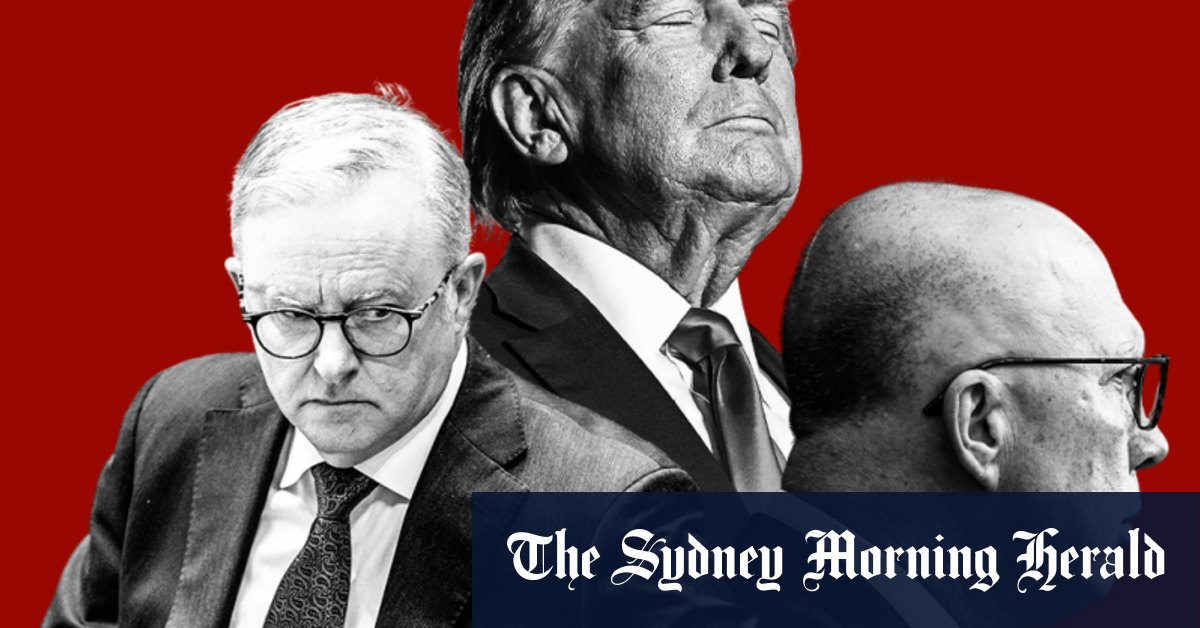
Dutton’s Challenge: Embracing Trump’s War on Woke Culture
Dutton’s Challenge: Grappling with Trump’s Anti-Woke Movement
The political landscape is always shifting, and with it comes the emergence of new cultural narratives and conflicts. Recently, Australian political leader Peter Dutton has found himself pulling at the threads of a contentious issue: the so-called “war on woke” culture. Fueled by various global movements, including the fervent campaigns led by former U.S. president Donald Trump, this battle isn’t just about social norms or etiquette—it’s symptomatic of broader ideological divides that seem to deepen with every passing day. In this article, we’ll explore what it means for Dutton as he navigates these turbulent waters and weighs the potential benefits and drawbacks of aligning with Trump’s controversial views.
Understanding the “Woke” Phenomenon
Before diving deep into Dutton’s challenge, let’s take a moment to grasp what “woke culture” truly signifies. At its core, being “woke” is about awareness—an acknowledgment of social injustices, systemic racism, and inequality. The term originally stemmed from African American Vernacular English (AAVE) and was used to signify being alert to racial and social injustices. However, over the years, it’s morphed into a weaponized term often employed to critique those seen as overly politically correct or socially conscious.
The Shift in Narrative
The term has taken on a life of its own, and many feel that “woke” has become synonymous with a certain kind of moral absolutism that leaves little room for debate. Critics argue that its advocates impose a stifling orthodoxy that curtails free speech and fosters division rather than unity. By branding wokeness as “cancelling” differing opinions, the narrative shifts from enlightenment to confrontation.
So, where does that leave leaders like Dutton? It puts them at a crossroads. Aligning with or against the sentiments surrounding woke culture can either fortify their political base or alienate voters—especially in a diverse nation like Australia.
The Trump Connection: A Broader Context
You can’t discuss the war on woke culture without mentioning Donald Trump. His rise to power was marked by a fiery rhetoric that struck a chord with many who felt disenfranchised by the progressive movement. From his infamous comments about the “fake news” media to his takedown of cultural institutions that he deemed overly progressive, Trump effectively energized a segment of the population that felt sidelined.
An Unwelcome Influence?
Dutton’s situation mirrors other leaders globally who grapple with the appeal of Trump’s brand of politics. Aligning with Trump might seem like an easy path to galvanizing support, but the risks are equally significant. There’s a thin line to walk; he must engage disillusioned voters while not alienating those who advocate for social justice and inclusivity.
It begs the question—can Dutton seize the moment and channel Trump’s strategies without losing the broader Australian electorate? Or will he simply become a pawn in a larger game of political chess?
The Australian Political Landscape
Australia has always prided itself on a live-and-let-live mentality, where diverse opinions should ideally coexist. However, the recent years of heightened political discourse and social media’s rapid spread make it seem like polarizing views are more common than uniting common ground.
What Do Voters Really Want?
Recent polls indicate a complex picture: many Australians are tired of the extreme rhetoric and yearn for pragmatic solutions to real issues. It’s no longer just about symbolic gestures—people are looking for tangible improvements in their lives, whether that’s in healthcare, immigration, or the economy.
The challenge for any leader, including Dutton, is to cut through the noise. He needs to address the “woke” issue while steering clear of alienating progressive voters who feel equally passionate about civil rights. Engagement, not antagonism, may be the key.
Strategies Dutton Could Embrace
In navigating this landscape, Dutton could adopt several strategies to manage the discourse surrounding woke culture:
1. Emphasize Open Dialogue
- Creating platforms for discussion rather than debate is essential. Open forums or town hall meetings can allow voters to express their concerns in a structured way, fostering a culture of listening.
2. Acknowledge Diverse Perspectives
- Dutton might benefit from articulating that understanding different viewpoints doesn’t mean agreeing with them. Dissent can coexist with democracy; recognizing that can motivate a more constructive dialogue.
3. Focus on Common Ground
- Rather than looking for divisive issues, focusing on shared values can bring together conflicting parties. Topics around safety, education, and health are universally accepted, allowing for a more peaceful engagement.
4. Challenge Extremism from All Flanks
- While taking on extreme “woke” practices, Dutton should also denounce radical views that stem from far-right groups. This balanced approach could position him as a leading figure who champions unity rather than division.
5. Back with Substance
- It’s crucial to back up words with action. Dutton will need policies that address the concerns raised by both sides of the ideological divide about inequality, representation, and social justice.
The Risks of the Anti-Woke Movement
Now, let’s face the elephant in the room: the anti-woke movement isn’t without its risks. Almost paradoxically, rallying against wokeness can push moderates either into apathy or toward the opposition, where they feel heard and understood.
Cultural Backlash
Attempts to dismiss or undermine woke culture can elicit a robust backlash from progressives, countering claims of inclusivity and fostering an environment of hostility. This kind of polarization can lead to a cycle of negativity that spirals endlessly and lays the groundwork for conflict.
Economic Consequences
The fallout can also be economic. If cultural narratives shift too rapidly, organizations and businesses that rely on progressive views could face challenges. For an economy heavily reliant on varied sectors—from tourism to healthcare—the implications could ripple through various industries.
Conclusion
Peter Dutton finds himself at a complex juncture, navigating the often-turbulent waters of the “woke” versus “anti-woke” divide. Aligning himself too closely with Donald Trump’s brand of politics may offer short-term gains but could spell long-term consequences that undermine the foundation of bipartisanship. By fostering dialogue, promoting shared values, and recognizing the need for inclusivity, Dutton can differentiate himself as a leader willing to guide Australia through these chaotically shifting cultural tides.
As the landscape continues to evolve, one thing remains clear: embracing unity over division will likely serve the country—and Dutton—better in the long run.
FAQs
Q1: What is “woke culture”?
A1: Woke culture refers to heightened awareness of social injustices, particularly concerning race and equality. It originated in African American communities but has expanded to encompass a broader spectrum of social issues.
Q2: How has Donald Trump influenced the anti-woke movement?
A2: Trump’s rhetoric has galvanized many who feel sidelined by progressive views, framing wokeness as a threat to free speech and traditional values, which has resonated with a particular demographic.
Q3: What challenges does Dutton face in addressing woke culture?
A3: Dutton must balance between engaging disillusioned voters without alienating progressives, all while promoting dialogue over division to maintain a stable political climate.
Q4: Can Dutton successfully navigate the political waters surrounding woke culture?
A4: Yes, if he emphasizes open dialogue, acknowledges diverse perspectives, and focuses on common ground, he may appeal to a wider electorate.
Q5: What are potential risks associated with leading an anti-woke campaign?
A5: Risks include cultural backlash from progressive groups and potential economic consequences, as hostility can affect business relations and public sentiment.