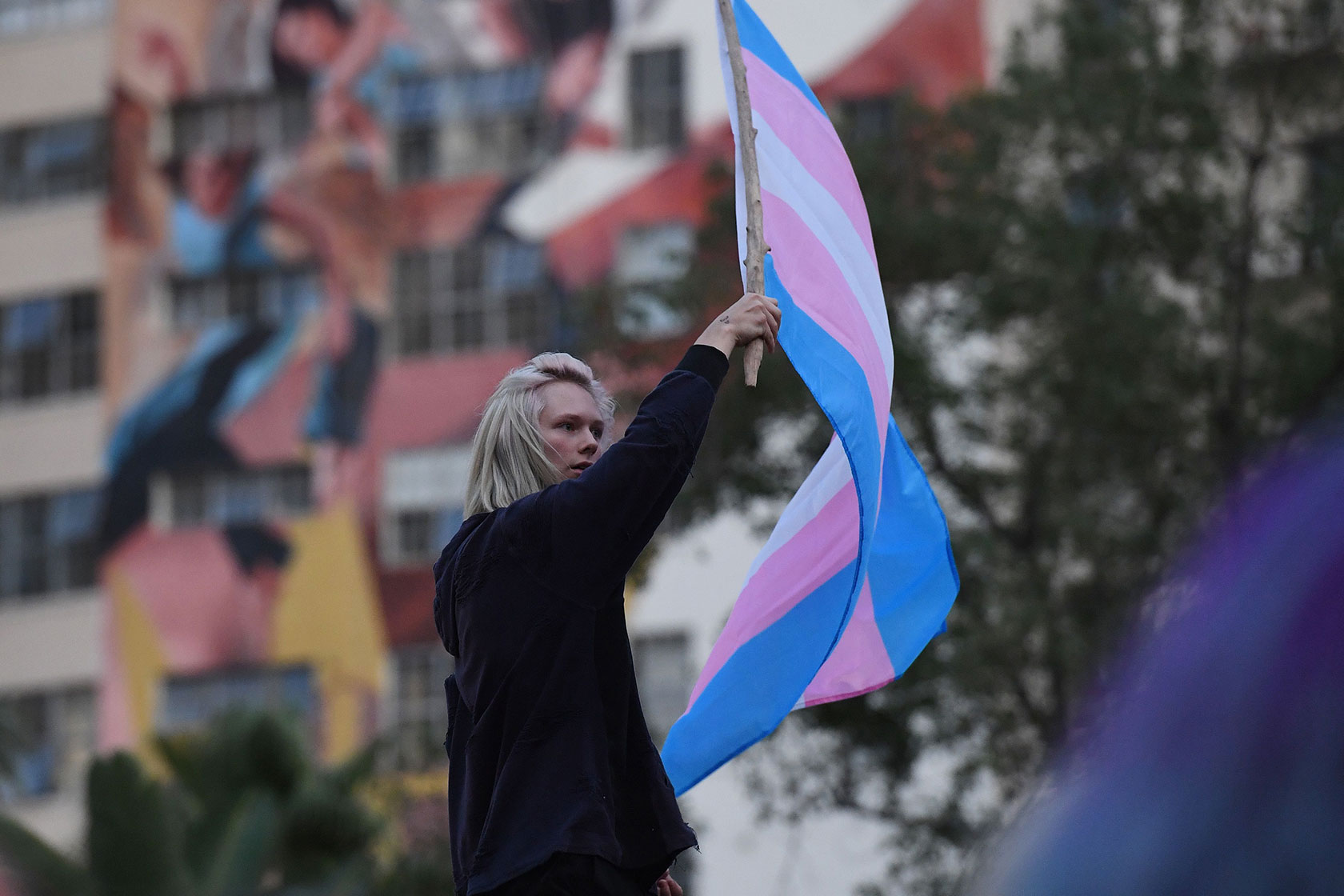
The Dangers of Far-Right Gender Regulation for All Americans
The Threat of Far-Right Gender Regulation
In recent years, the rise of far-right movements has brought forth a wave of gender regulations that raises alarm bells not just for marginalized communities but for every American. You might think, “I’m not affected by these debates,” but that couldn’t be further from the truth. The dangers of far-right gender regulation extend far beyond the boundaries of identity politics. So, what’s really at stake here? Let’s dive into this pressing issue, unravel its complexities, and understand why it’s vital for all of us to engage in this conversation.
Understanding Far-Right Gender Regulation
To even begin grasping the ramifications of far-right gender regulation, we need to understand what it entails. At its core, this movement represents a push to impose strict, often harmful definitions of gender—often rooted in outdated, binary perspectives. Think of it as a misguided attempt to channel society into a mold that doesn’t fit most of us.
But why does it matter? Well, the impacts ripple far and wide—affecting our workplaces, schools, health care, and even personal relationships. The intention behind these regulations may appear harmless to some, but just like a single stone tossed into a pond can create ripples, these regulations can influence the lives of entire communities.
The Backlash Against Progress
Historically, many have fought tirelessly for greater inclusivity and acceptance of diverse gender identities. Recent legislation aimed at restricting transgender rights demonstrates a significant backlash against this progress. It’s like we’re running a marathon, and suddenly, someone pulls the finish line backward.
-
In Schools: Education should be a space where all students feel safe and valued. However, with initiatives that aim to restrict discussions around gender identity, we risk perpetuating environments of fear. Imagine being a teenager, navigating the already tumultuous waters of adolescence, and then being told that who you are is invalid. It’s a tragic situation, and the implications are profound—poor mental health, increased bullying, and a decline in academic performance.
-
In the Workplace: The workplace is not exempt from these threats. Policies that undermine recognition of varied gender identities can lead to a toxic work environment. Picture going to your job, only to feel that your identity is disallowed or disrespected. That’s not fostering teamwork or productivity; it’s breeding disenchantment.
-
In Healthcare: Perhaps one of the most alarming impacts is within the healthcare system. When regulations dictate what healthcare providers can discuss with their patients regarding gender-affirming care, we are effectively creating barriers to essential services. Imagine needing medical help and being told that you can’t access the support you need—how devastating is that?
The Broader Impacts on Society
So, you might be wondering why a legislative push specifically targeting gender is a concern for all. Think of gender regulation as the first brick in a wall that could eventually block various rights.
-
Freedom of Expression: Diminishing rights for one group often leads to diminished rights for all. If society enforces rigid definitions around gender, it creates an uncomfortable atmosphere where differing views can lead to censorship and social conformity. Like a game of dominoes, the fall of one can do detrimental damage to another.
-
Legal Precedents: Historical patterns show us that laws affecting marginalized groups can set legal precedents. If we allow gender regulations to gain ground, we could start witnessing a slippery slope where more freedoms are taken away from individual citizens.
Gender Regulation and Intersectionality
Let’s not forget that gender doesn’t operate in a vacuum; it intersects with race, sexuality, socioeconomic status, and more. For instance, marginalized groups who belong to several intersecting identities face compounded risks under stringent gender regulations. Consider how a Black transgender woman experiences the world differently than a white cisgender male—different challenges exist at each intersection.
Ignoring this complexity only bolsters the argument for far-right activists. They thrive on division, and intersectionality helps to unite disenfranchised groups to fight against these regulations.
Unpacking the Myths Around Gender Regulation
Often, far-right supporters of stringent gender regulation push forward with a slew of myths designed to rationalize their positions. Let’s take a look at these myths and debunk them.
Myth 1: Gender Regulation Protects Traditional Values
This notion suggests that regulation is meant to protect the “family unit.” Yet, this sentiment negates the rich, varied tapestry of family in America today. Families can look many different ways, and they thrive on love and respect rather than rigid rule systems.
Myth 2: Gender Diversity Harms Children
The harmful idea that exposure to diverse gender identities confuses children is fundamentally flawed. In reality, fostering understanding prepares children for a diverse world and cultivates empathy. It’s about teaching kids that it’s okay to ask questions, to be curious, and to embrace differences.
Myth 3: Gender Regulation is About Safety
Many proponents frame these regulations as protective measures. But consider this: Who’s actually being protected? History tells us that the most vulnerable members of society suffer the most under such regulations. Regulations centered on fear rather than compassion only serve to perpetuate trauma.
The Path Forward: What We Can Do
So, what can you do about it? Here are some actionable steps we can take together to combat the dangers associated with far-right gender regulation.
-
Educate Yourself and Others: Knowledge is power. Engage with communities and organizations working for progressive change in gender regulation. The more informed we are, the stronger our collective voice can become.
-
Advocate for Change: Whether through petitions, calls to representatives, or participating in local activism, let your voice be heard. Legislation doesn’t always reflect the will of the people, and taking action is imperative.
-
Support Allies and Advocacy Groups: Many organizations are fighting tirelessly for gender inclusivity. Support their work, whether through donations, volunteering, or simply spreading the word about their initiatives.
- Engage in Conversations: Talk about these issues with your family and friends. Often, people become more malleable in their beliefs through open and respectful dialogue.
Conclusion
Far-right gender regulation poses a significant danger not only to marginalized communities but to the very fabric of American society as a whole. The attempts to roll back progress are not just about gender—they represent a broader erosion of freedoms we hold dear. It is essential that we engage in this battle against ignorance and fear. We must stand shoulder to shoulder and advocate for inclusivity, understanding, and respect for all identities.
By educating ourselves, advocating for change, and supporting those who are marginalized, we can create a society where everyone feels valued and accepted—because, at the end of the day, we are all part of this complex human experience together.
FAQs
Q1: What is far-right gender regulation?
A: Far-right gender regulation refers to legislative efforts aimed at enforcing strict, traditional definitions of gender that often limit the rights and recognition of diverse gender identities.
Q2: How does far-right gender regulation affect society?
A: It touches various aspects of life, including education, workplaces, and healthcare, creating an oppressive atmosphere for many individuals.
Q3: Why should everyone be concerned about gender regulation?
A: Because restrictive regulations can set legal precedents that might erode civil liberties for all individuals, not just those directly impacted by these laws.
Q4: What can I do to help combat far-right gender regulation?
A: Educate yourself, advocate for inclusive policies, support relevant organizations, and engage in conversations to spread awareness.
Q5: How do intersectional identities relate to gender regulation?
A: Intersectional identities highlight how different hierarchies of oppression overlap, causing compounded challenges for individuals who face multiple forms of discrimination. Addressing these complexities is crucial in discussions about gender regulation.