Hacks Season 3 Episode 8 Explores Cancel Culture and Comedy
Cancel Culture and Comedy in Hacks: A Deep Dive into Season 3 Episode 8
The world of television has seen a surge in series that playfully yet poignantly tackle real-life issues. One show, in particular, “Hacks,” has captivated audiences with its clever blend of humor and introspective themes. Season 3 Episode 8 takes a bold turn to explore the intricate relationship between cancel culture and comedy, leaving viewers both entertained and thoughtful. So, grab your popcorn, and let’s unpack the hilarity and seriousness of this riveting episode!
The Essence of “Hacks”
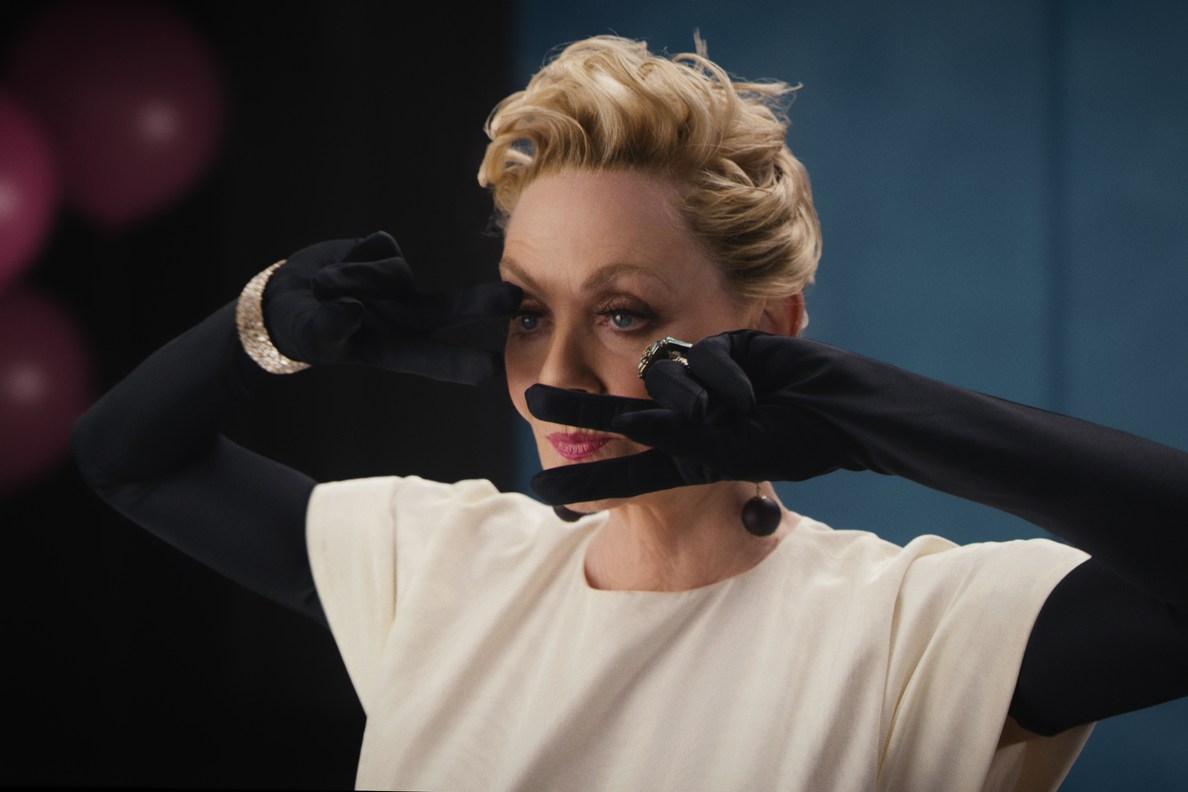
Before we dive into the specific episode, it’s essential to understand the show’s overall premise. “Hacks” features the brilliant but aging comedian Deborah Vance, played by the iconic Jean Smart, whose career is at a crossroads. Alongside her is Ava Daniels, a young writer portrayed by Hannah Einbinder, who brings a fresh yet contentious perspective to the world of comedy. Their dynamic is filled with wit, sarcasm, and a sprinkle of drama, making every episode a journey worth embarking on.
From the offset, “Hacks” serves not just as a platform for laugh-out-loud moments but also as a mirror reflecting the complexities of modern societal issues, like cancel culture. This latest episode harnesses that theme exceptionally well, making it relevant for today’s audiences.
What is Cancel Culture?
To fully appreciate the episode’s exploration, let’s take a moment to define cancel culture. Cancel culture refers to the popular practice of withdrawing support (often on social media) from public figures, companies, or even entire movements due to controversial actions or statements. It’s like the digital age’s version of the old-school boycotts, heightened by the immediacy of the internet and social media platforms.
This phenomenon raises questions about accountability, freedom of speech, and the potential consequences of one’s actions. As you can imagine, navigating this landscape can be daunting, especially for comedians, whose craft often involves pushing boundaries and addressing taboo subjects.
Episode Synopsis: A Comedy of Errors
In Episode 8, Deborah finds herself at the center of a cancel culture saga that unfolds like a high-stakes game of chess. With her career in comic limbo, she becomes embroiled in a social media controversy after a joke lands incorrectly. Whether it was a haphazardly chosen punchline or a misunderstanding, the fallout showcases how quickly one can go from adored to condemned.
The Plot Thickens
As Deborah grapples with her newfound notoriety, Ava, the ever-controversial young writer, gets intertwined in the chaos. Instead of playing it safe, she decides to lean into the madness, showcasing an alternate perspective on comedy as an art form. Can comedy still exist when the stakes are so high? This episode prompts the audience to question whether the boundaries of comedy are shrinking or evolving.
Themes Explored: The Intersection of Comedy and Social Responsibility
In true “Hacks” fashion, Episode 8 doesn’t shy away from examining serious themes beneath layers of humor. Let’s break down the main points tackled in this episode:
1. The Power of Words
Through Deborah’s character, the episode drives home the idea of how words can carry immense weight. Comedy, often a matter of timing and delivery, becomes a perilous tightrope walk. One moment of insensitivity can lead to catastrophic repercussions. This leads us to ponder: when does comedy cross the line into offensiveness?
2. Public Backlash and Accountability
As Deborah faces an onslaught of criticism online, the conversation revolves around accountability. How much should a public figure be held responsible for their comedic forays? Is the essence of comedic art to provoke thought—sometimes discomfort—and then to endure the backlash that follows? This introspection makes it relatable not only to celebrities but to everyday individuals living with the fear of social scrutiny.
3. The Future of Comedy
Ava’s perspective is particularly enlightening; she views cancel culture as an opportunity for growth in the comedic landscape. She argues that comedians need to adapt, evolve, and pay attention to the historical context surrounding their material. The episode highlights the need for comedians to take responsibility for their voice while simultaneously defending the importance of humor in society.
Character Dynamics: A Study
The chemistry between Deborah and Ava is palpable throughout this episode. Their relationship serves as a microcosm for the broader conversation about generational differences in understanding comedy. Deborah, seasoned and somewhat traditional in her comedic approach, finds herself challenged by Ava, who represents the new age of comedy—one that demands social consciousness.
This dynamic creates an interesting tension, giving viewers not just comedy but a deeper examination of how the past informs the present. As they navigate their complex relationship, they signify the evolving landscape of not only comedy but society itself.
Clever Humor Meets Serious Reflection
Despite the heavy themes, “Hacks” never forgets its roots in comedy. The writers skillfully intertwine humor with serious reflections, making for a compelling viewing experience. The episode’s comedic moments often serve as a pressure release, allowing the audience to digest the weighty topics without feeling overwhelmed.
For instance, there are scenes where the characters’ attempts at damage control spiral into absurdity, showcasing how humor can sometimes emerge from the most chaotic situations. It’s a clever reminder that even in serious dialogues, laughter can act as a balm.
Reception: Audience and Critics Weigh In
Upon airing, Episode 8 sparked diverse reactions from both audiences and critics. Many praised the show for its audacity to tackle cancel culture head-on, while some expressed concern about how it portrayed real-life implications. It’s these discussions that keep the dialogue going—framing “Hacks” not just as entertainment but as a thought-provoking commentary on contemporary issues.
Social Media Buzz
The episode prompted a flurry of activity across social media platforms, with fans engaging in debates about comedy’s future. Memes, clips, and quotes surfaced, highlighting the episode’s most memorable lines. This reaction underscores how current and relatable the series is, resonating with viewers who closely follow the interconnected realms of comedy and cancel culture.
Conclusion
In a world where humor and sensitivities clash more than ever, “Hacks” Season 3 Episode 8 serves as a potent reminder of comedy’s place in society. It urges us not only to laugh but also to reflect on the implications of our words and actions. As we navigate the complexities around cancel culture, we are called to consider the balance between accountability and artistic expression.
So, what do you think? Can humor thrive in a world rife with scrutiny? Or are we destined to operate under the looming shadow of cancel culture? One thing is crystal clear: shows like “Hacks” continue to provoke essential discussions while keeping entertainment at the forefront. It’s a balancing act—and perhaps, that’s the beauty of comedy itself.
FAQs
1. What is “Hacks” about?
“Hacks” follows the journey of an aging comedian, Deborah Vance, and her tumultuous partnership with a young writer named Ava Daniels, examining the intersections of humor, fame, and generational conflict.
2. How does Episode 8 tackle cancel culture?
The episode explores the implications of cancel culture through Deborah’s controversial joke and its consequences, highlighting the complexity of accountability in comedy.
3. What themes are prominent in this episode?
Key themes include the power of words, public backlash, accountability, and the evolving landscape of comedy in response to societal issues.
4. How do Deborah and Ava’s perspectives differ?
Deborah represents traditional comedy, while Ava advocates for a more socially conscious approach, reflecting generational differences in understanding comedic boundaries.
5. How did audiences react to this episode?
The response was diverse, with many viewers praising the audacity to tackle cancel culture while sparking discussions around the implications for comedy and social responsibility.